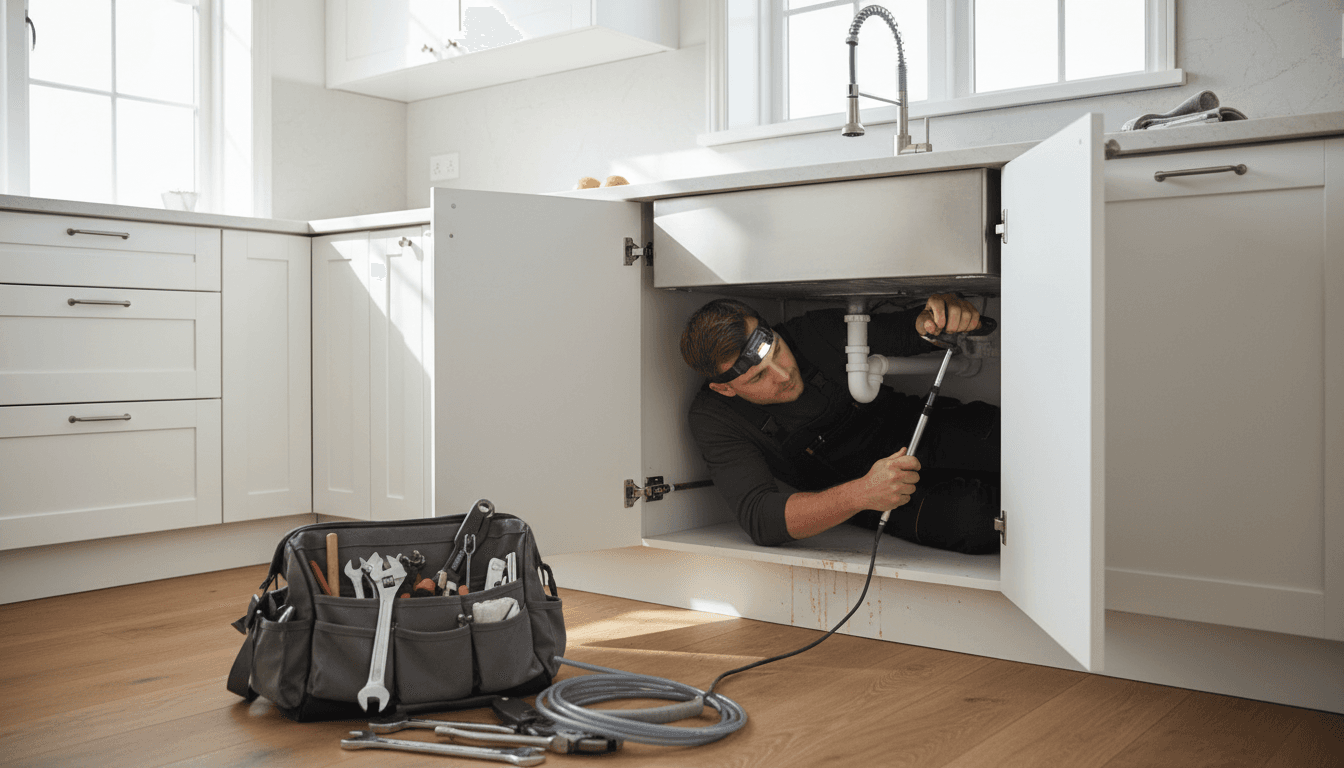
Well water low pressure is most often caused by a malfunctioning pressure switch, a waterlogged pressure tank, or clogged sediment filters. These issues can usually be fixed by cleaning filters, adjusting pressure settings, or replacing failing components like the well pump; regular maintenance ensures the system maintains adequate flow for the entire home.
There is nothing more frustrating than stepping into the shower only to find a weak, sputtering stream instead of the reliable pressure you expect. For homeowners in Sanpete County, low well water pressure is more than a minor annoyance; it is often a warning sign of mechanical fatigue or shifting environmental conditions. Whether your dishwasher takes ages to fill or your faucets are barely dripping, these symptoms point toward issues that can compromise your entire plumbing system. In this guide, we will break down the primary causes of pressure loss in central Utah, including failing pressure tanks, mineral buildup from hard water, and the unique impact of local agricultural draws. You will learn how to identify which components are failing in your well system and discover when a simple adjustment can fix the problem or when professional intervention is required to restore your flow.
Understanding Well Water Systems in Central Utah
In Sanpete County, water delivery varies significantly depending on your exact location. Residents within the established city limits of Manti, Ephraim, or Mt. Pleasant usually connect to municipal culinary systems. However, many properties in the rural stretches of the valley and the surrounding hillsides rely entirely on private wells. These systems are self-contained utility plants that must produce, store, and distribute water on demand.
A standard well system consists of three primary components working in tandem. The well pump, usually a submersible model located deep underground, pushes water up the casing toward your home. The pressure switch acts as the brain of the operation; it monitors the system and tells the pump when to turn on and off based on pre-set limits. Finally, the pressure tank stores a volume of water under compressed air, providing the force behind your faucets and preventing the pump from starting every time you wash your hands.
Our regional geology plays a major role in how these systems perform. The alluvial deposits and varying bedrock depths in Central Utah can affect how much sediment your pump encounters. If one of these components falls out of sync or becomes obstructed by local mineral buildup, you will likely experience well water low pressure. For property owners dealing with complex system failures, we provide comprehensive plumbing services to ensure your infrastructure remains reliable year-round. Understanding these mechanics is the first step in diagnosing why your flow isn't meeting the demands of your household or agricultural operation.
The Most Likely Culprit: Pressure Tank and Bladder Failure
When we receive calls about well water low pressure, the pressure tank is often the first component we inspect. This tank acts as a buffer for your entire system. Inside the metal shell, a heavy duty rubber bladder holds water, while the space surrounding that bladder is filled with compressed air. This air provides the necessary force to push water through your pipes. Without this cushion of air, your pump would have to start every time you rinsed a plate or flushed a toilet, leading to significant wear and tear.
The most recognizable sign of a failing tank is "short cycling." This occurs when the pump turns on and off rapidly, sometimes every few seconds, while water is running. Because water cannot be compressed, a tank that has lost its air cushion cannot store energy. The pressure drops instantly when a tap opens, triggers the pump, and then hits the shut-off limit almost immediately because there is no room for additional water. If you notice your pressure switch clicking constantly, you should contact our team for emergency repairs to prevent the pump motor from burning out.
You can perform a simple diagnostic check known as the "tap test." Use your knuckles or a small tool to knock on the side of the tank. A healthy tank should sound hollow at the top where the air resides and solid or "thuddy" at the bottom where the water is stored. If the tank sounds solid from top to bottom, it is waterlogged.
To determine if the tank needs a simple air recharge or a full replacement, check the Schrader valve (the air valve) at the top. If you depress the center pin and water squirts out, the internal bladder has ruptured. A ruptured bladder cannot be repaired; the entire tank must be replaced to restore consistent pressure and protect your well pump. If only air comes out, the tank may simply need its pre-charge pressure recalibrated to match your system’s specific cut-in settings.
Clogged Filters and the Impact of Utah Hard Water
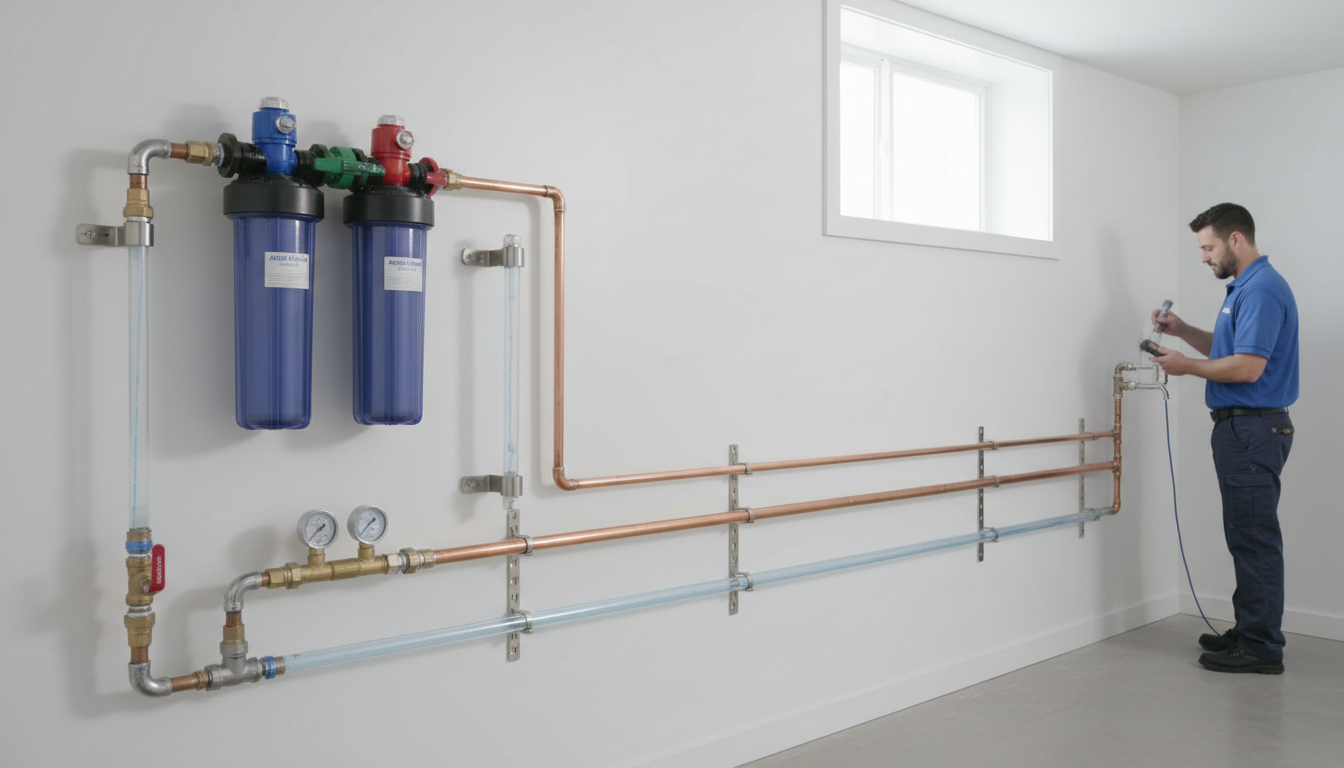
If your pressure tank tests fine, the restriction usually lies within the filtration or the piping itself. The geology of Central Utah is rich in minerals, which means well owners frequently deal with heavy sediment and extreme water hardness. A common cause of well water low pressure is a neglected sediment filter. These point of entry systems are designed to catch sand and grit before it enters your home's appliances. If you haven't changed the cartridge in several months, it can become so saturated with debris that water simply cannot pass through at the required volume. Always inspect the filter housing first; a dark, heavy coating on the element is a clear sign it needs replacement.
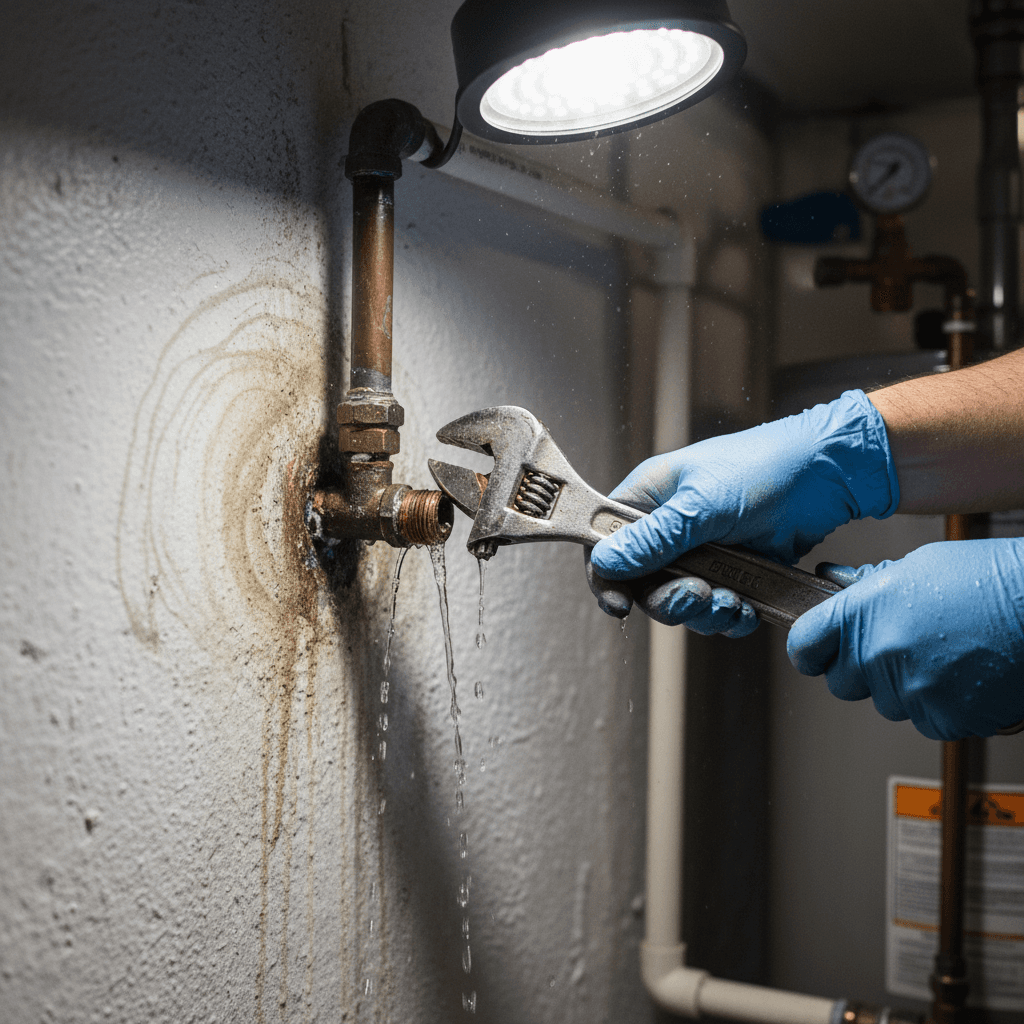
Beyond the filters, the impact of Utah’s hard water is often hidden inside your plumbing. In historic Sanpete County homes, particularly in the older districts of Spring City or Manti, galvanized steel pipes are still common. Over decades, calcium and magnesium deposits react with the metal to create scale buildup. This process, known as tuberculation, gradually narrows the interior diameter of the pipe. While your well pump might be pushing 50 PSI, a pipe choked with mineral scale might only allow a fraction of that pressure to reach your showerhead. If your fixtures have adequate pressure initially but quickly drop to a trickle, or if the problem is localized to specific parts of the house, internal scaling is likely the culprit. For homes with aging infrastructure, we offer comprehensive plumbing services to evaluate pipe health and recommend repiping or filtration solutions that mitigate mineral damage.
Well Pump Problems: Is Your Pump Failing or Undersized?
If your filters are clean and your pipes are clear, the mechanical heart of the system might be the issue. A submersible pump, located deep in the well casing, or a surface-mounted jet pump can fail in two distinct ways. Total failure results in a complete loss of water, often preceded by a tripped circuit breaker or a humming sound that indicates a seized motor. However, we more frequently see a gradual loss of efficiency. As internal impellers wear down from sand or sediment, the pump struggles to reach its shut-off pressure. You may notice the pump running for much longer cycles than it used to, or a consistent well water low pressure that never quite reaches the vigorous flow you expect.
In many older Sanpete County properties, the original pump was sized for a different era of water usage. If you have recently renovated a home in Gunnison or Fairview by adding a high-flow walk-in shower, an extra bathroom, or a more robust irrigation system, your existing pump may simply be undersized. An undersized pump cannot move enough gallons per minute (GPM) to satisfy modern fixtures. This leads to a noticeable pressure drop every time the dishwasher and a shower run simultaneously.
In Central Utah, the average lifespan of a well pump ranges from 12 to 15 years, though high mineral concentrations can lead to premature motor burnout or scale buildup on moving parts. If your pump is approaching this age and you notice surging or a consistent drop in delivery, it is likely reaching the end of its service life. If you are unsure whether your pump is failing or just needs a settings adjustment, you can contact our team for emergency repairs to evaluate your system's performance.
Pressure Switch Malfunctions: The Brain of Your Well
The pressure switch is the operational hub of your well system, functioning as a constant monitor for line pressure. When the pressure in your tank drops to a specific cut-in point, the switch closes its electrical contacts to start the pump. Once the cut-out point is reached, it opens the contacts to stop the flow. If these settings are misconfigured, perhaps at a standard 20/40 PSI, your household will suffer from chronic well water low pressure compared to the more robust 40/60 PSI setting typical of modern Utah homes. High-efficiency fixtures and larger homes in areas like Sterling or Mayfield often require these higher settings to function correctly.
Mechanical failure often stems from the harsh environmental conditions found in Central Utah. Small insects or debris can wedge into the contacts, causing them to arc and burn, which prevents the pump from receiving power. Furthermore, the small quarter-inch nipple or sensing tube that connects the switch to the plumbing often becomes clogged with the same mineral scale and sediment discussed in previous sections. When this tube is blocked, the switch cannot feel the actual system pressure, leading to erratic behavior or a pump that refuses to engage at all.
Adjusting or inspecting a pressure switch involves working around 230-volt circuitry, which poses a significant electrocution risk if handled incorrectly. If you suspect your switch is out of calibration or has burnt components, it is safer to contact our team for emergency repairs rather than attempting a manual adjustment. Proper calibration requires synchronized adjustments of the primary and differential springs to ensure your pump and tank remain in balance.
Agricultural Draw and Dropping Water Tables in Sanpete County
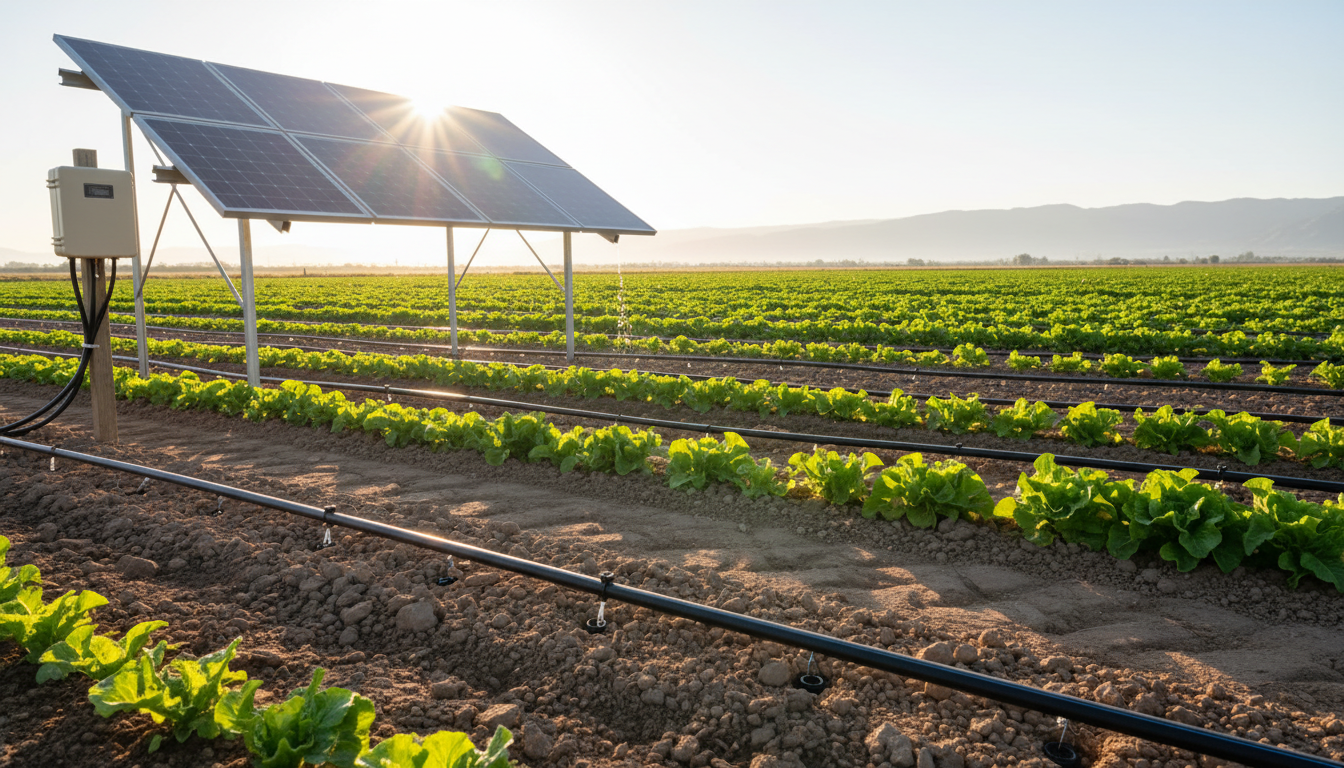
In rural Utah, your well water low pressure might not stem from a mechanical failure at all, but rather from external environmental factors. Sanpete County’s deep agricultural roots mean that during the peak growing season, local aquifers face significant demand. When nearby livestock watering systems or large scale irrigation pivots engage, they can create a localized draw that temporarily lowers the water level in the ground. This temporary dip in the water table may cause your pump to struggle, leading to a noticeable drop in flow or even air sputtering from your faucets as the intake draws in air along with the remaining water.
Long term trends in Central Utah indicate that water tables in specific regions have been gradually receding due to extended drought cycles and increased development. A dropping well occurs when the static water level falls significantly over time, eventually staying below the pump’s reach. For a homeowner, this often means the submersible pump must be lowered deeper into the casing to maintain access to the aquifer. If you notice your system performs perfectly in the spring but fails consistently during the heat of August, you likely have a water level issue rather than a broken component. We provide comprehensive plumbing services to help residents monitor well health and determine if their equipment needs to be repositioned to account for these shifting geological conditions.
Why Does Well Water Pressure Drop and Then Come Back?
A common frustration for Sanpete County residents is experiencing adequate flow initially, only for the shower to turn into a trickle mid-use, then return to normal an hour later. This phenomenon is known as slow recovery. It occurs when your well pump’s capacity exceeds the well’s yield. If your pump pulls ten gallons per minute but the surrounding aquifer only replenishes the well casing at two gallons per minute, you are essentially mining the standing water in the pipe.
Once that stored volume is exhausted, you encounter immediate well water low pressure until the ground has enough time to recharge the casing. This often happens during heavy demand periods, such as running a dishwasher while someone is showering. To solve this without the extreme expense of drilling a deeper well, we often recommend installing a larger pressure tank or an atmospheric storage system. These setups act as a buffer; they allow the well to trickle into a large tank over several hours so you have a massive reserve ready for high-use mornings. For residents considering these upgrades, our comprehensive plumbing services include sizing and installing secondary storage solutions tailored to the specific recovery rates of Central Utah aquifers.
When to Call a Professional for Well Water Repair
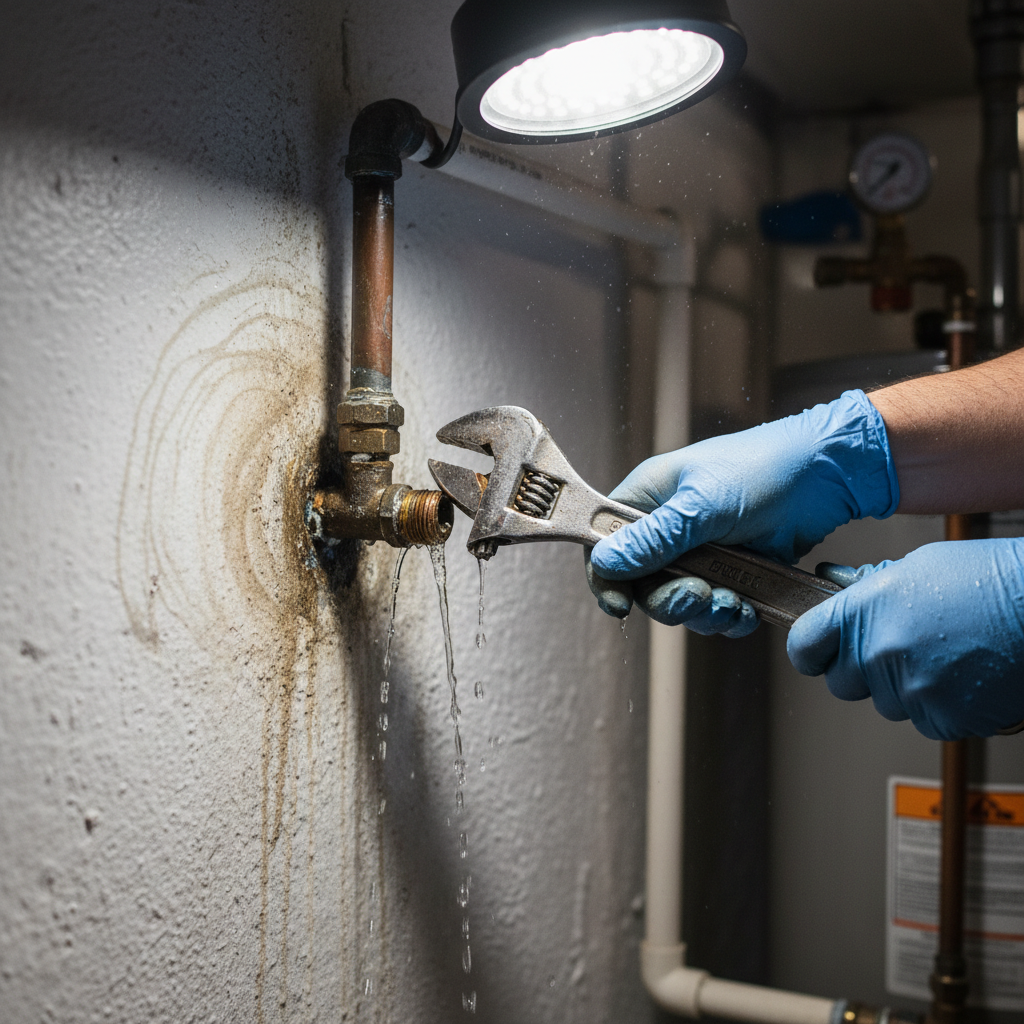
Identifying the line between a quick fix and a technical failure is essential for preserving your well's lifespan. Homeowners can safely manage routine maintenance, such as replacing a sediment cartridge or ensuring the circuit breaker has not tripped. However, deeper mechanical or electrical issues require specialized equipment and safety protocols.
You should call for professional assistance if you notice any of the following: - The pump short cycles or the pressure switch clicks rapidly. - There is evidence of arcing, smoke, or burnt wires at the pressure switch. - The tap test on your tank indicates a waterlogged bladder. - You experience a sudden, total loss of flow.
Attempting to pull a submersible pump manually is dangerous; these units are heavy and suspended by hundreds of feet of pipe, requiring specialized hoists to prevent dropping the assembly back into the casing. Furthermore, working with pressurized tanks and 230-volt circuits carries significant physical risk. If you are experiencing well water low pressure that does not resolve with a filter change, contact our team for emergency repairs immediately. Addressing a failing check valve or a sticking switch early prevents the pump motor from burning out. For long term system upgrades or inspections, we offer comprehensive plumbing services to keep your water running reliably across Sanpete County.
Low well water pressure usually stems from simple sediment clogs, faulty pressure tanks, or aging pumps. While these insights can help you troubleshoot the basics, maintaining a consistent flow in your Sanpete County home often requires a deeper diagnostic approach. If you want expert help to ensure your system is operating at peak efficiency, you can learn more on our About page. We focus on providing clear solutions that keep your water running reliably year after year.