Persistent drain clogs across multiple fixtures, foul sewage odors, and unusually lush or soggy patches in your yard are primary signs of a sewer line problem. You may also experience sewage backups, gurgling noises from pipes, or increased pest activity near your foundation. These symptoms typically indicate tree root intrusion or structural damage that requires professional inspection.
A single slow drain is a nuisance, but when your entire home seems to be fighting against you, the issue often lies deeper than a simple sink clog. You might notice water backing up into the shower while the toilet flushes, or perhaps a persistent, foul odor has settled in your basement. For homeowners in Sanpete County, these red flags indicate a potential sewer line failure that requires immediate attention to prevent costly water damage. Understanding the difference between a minor blockage and a main line crisis is the first step toward protecting your home; it allows you to act before a messy backup occurs. In this guide, we will explore common indoor and outdoor symptoms of sewer trouble, explain why tree roots are such a frequent local problem, and discuss why professional camera inspections are the only way to get a definitive answer before you start digging.
Recognizing the Difference Between a Simple Clog and a Main Line Issue
Every homeowner in Sanpete County will face a clogged drain eventually. A slow kitchen sink usually indicates a buildup of grease or food particles in the P-trap or the secondary line serving that specific room. However, distinguishing a minor repair from major signs of a sewer line problem is crucial for preventing significant water damage and costly restoration.
Professional contractors follow the Rule of Three when assessing residential systems. If three or more fixtures, such as a toilet, a bathtub, and a bathroom sink, are gurgling or draining slowly at once, the issue is rarely localized. In these cases, the blockage is typically located in the main lateral line, which is the pipe that carries all household waste away to the municipal sewer main or your private septic tank.
Localized clogs occur in the secondary lines located inside the home’s walls or floors. These are often manageable with emergency drain cleaning services. A main line issue is far more complex because it involves the entire drainage architecture. When the main lateral fails, wastewater has nowhere to go, eventually backing up into the lowest drains in the house. If you notice these widespread symptoms, it is time to contact Sanpete Plumbing to evaluate your comprehensive plumbing services options before a total backup occurs.
Top Indoor Warning Signs of a Clogged Sewer Line
When the main lateral is compromised, the indoor symptoms are often unmistakable and repetitive. One of the most telling signs of a sewer line problem is a cross-reaction between fixtures. For instance, if you flush a toilet and immediately see water or bubbles rising in your bathtub or shower, your system is struggling to move waste past a blockage in the main line. The water seeks the path of least resistance, which is typically the lowest drain in your home.
You should also pay close attention to the sounds your plumbing makes when high-volume appliances operate. If your kitchen sink gurgles or your toilet bubbles while the washing machine or dishwasher is draining, it indicates that air is trapped in the system. As the appliance forces water down the drain, the air has nowhere to go but back up through the P-traps of other fixtures. This is a clear indicator that the lateral line is restricted and needs immediate emergency drain cleaning or inspection.
Foul odors are another critical red flag. The scent of rotten eggs emanating from floor drains or sinks is caused by hydrogen sulfide and methane gases. These odors are not just a nuisance; sewer gas is flammable and can be hazardous to your health with prolonged exposure. In older Sanpete County residences, particularly those built before the 1970s, these issues are often exacerbated by aging pipe materials. Cast iron pipes are prone to internal scaling and corrosion, while vitrified clay pipes commonly used in areas like Manti and Ephraim are susceptible to joint separation and root intrusion. If you detect these smells, you should contact Sanpete Plumbing to evaluate the integrity of your lines. Addressing these indoor warning signs early can prevent a catastrophic backup into your living space.
Outdoor Red Flags: Lush Grass and Soggy Yards

While indoor symptoms are often the first to be noticed, the exterior of your property can provide equally critical signs of a sewer line problem. In the semi-arid climate of Central Utah, a lawn typically requires consistent, intentional irrigation to stay vibrant. If you notice a specific patch of grass that is significantly greener, taller, or more lush than the rest of the yard, it often indicates a crack in the lateral line. Because wastewater is rich in nitrogen and organic matter, it essentially acts as a potent fertilizer for the soil directly above a leak.
The specific geology of Sanpete County plays a large role in these structural failures. In areas like Manti and Ephraim, the ground often consists of heavy clay or unstable sandy soils. These soil types are prone to shifting during seasonal freeze-thaw cycles or periods of heavy saturation. When the soil moves, it can cause the pipe to sag, creating what is known as a sewer belly.
A sewer belly allows standing water and debris to collect in a low point, which eventually leads to a full blockage. In more severe cases, a broken pipe causes localized soil erosion as the leaking water carries dirt away. This leads to visible sinkholes or soggy, soft spots in your yard that do not dry out. If you notice depressions in the ground or areas that remain muddy despite dry weather, you should contact Sanpete Plumbing immediately. These structural issues require comprehensive plumbing services to stabilize the line and prevent a complete collapse of the main lateral.
Tree Roots in Sewer Line: The Silent Clog in Sanpete County
While lush grass is a visible outdoor symptom, the underlying culprit is often root intrusion. Tree roots are biologically programmed to seek out moisture and nutrients, particularly in the semi-arid environment of Central Utah. They can sense the condensation and moisture escaping from even the smallest hairline fracture or loose joint in a sewer pipe. Once a single root tip finds its way inside, it has access to a constant supply of water and organic fertilizer, allowing it to grow at an accelerated rate.
Inside the line, these roots branch out into a dense, fibrous mat. This structure acts like a net, catching kitchen grease, hair, and solid waste that would otherwise flow through to the main. Over time, this "nest" expands until it occupies the entire diameter of the pipe, leading to the recurring signs of a sewer line problem that many homeowners mistake for simple clogs.
In Sanpete County, this issue is especially prevalent on agricultural properties and older residential lots with mature landscaping. Large, thirsty trees such as Cottonwoods and Willows are frequent offenders. Their invasive root systems can travel great distances, often far exceeding the reach of the tree’s canopy, to find a water source. Older vitrified clay or cast iron pipes found in towns like Manti and Ephraim are most at risk because their joints naturally degrade over time. If you suspect your pipes are being compromised by nearby foliage, you should contact Sanpete Plumbing for comprehensive plumbing services. Identifying these intrusions early can save you from the high costs of a complete pipe replacement.
Why You Should Avoid Using Liquid Drain Cleaners for Sewer Problems
When persistent backups occur, many homeowners reach for store-bought liquid drain cleaners like Drano. While these products are marketed as a quick fix, they are rarely effective for main line issues. These cleaners are highly caustic, relying on intense chemical reactions to generate heat and dissolve blockages. In older Sanpete County homes with cast iron or galvanized steel pipes, this heat can accelerate corrosion and lead to structural thinning or pinhole leaks.
Chemical cleaners are almost entirely ineffective against root intrusions or sewer bellies. Because the main lateral is located deep underground and far from the indoor drain, the chemicals typically become diluted by standing water before they reach the obstruction. Furthermore, these products create a hazardous environment for technicians performing emergency drain cleaning, as they must handle pipes filled with toxic liquids. If you suspect signs of a sewer line problem, these retail chemicals are a waste of money and potentially harmful to your plumbing and the local environment. Instead, contact Sanpete Plumbing to discuss comprehensive plumbing services that address the underlying cause without damaging your infrastructure.
The Importance of a Sewer Line Camera Inspection

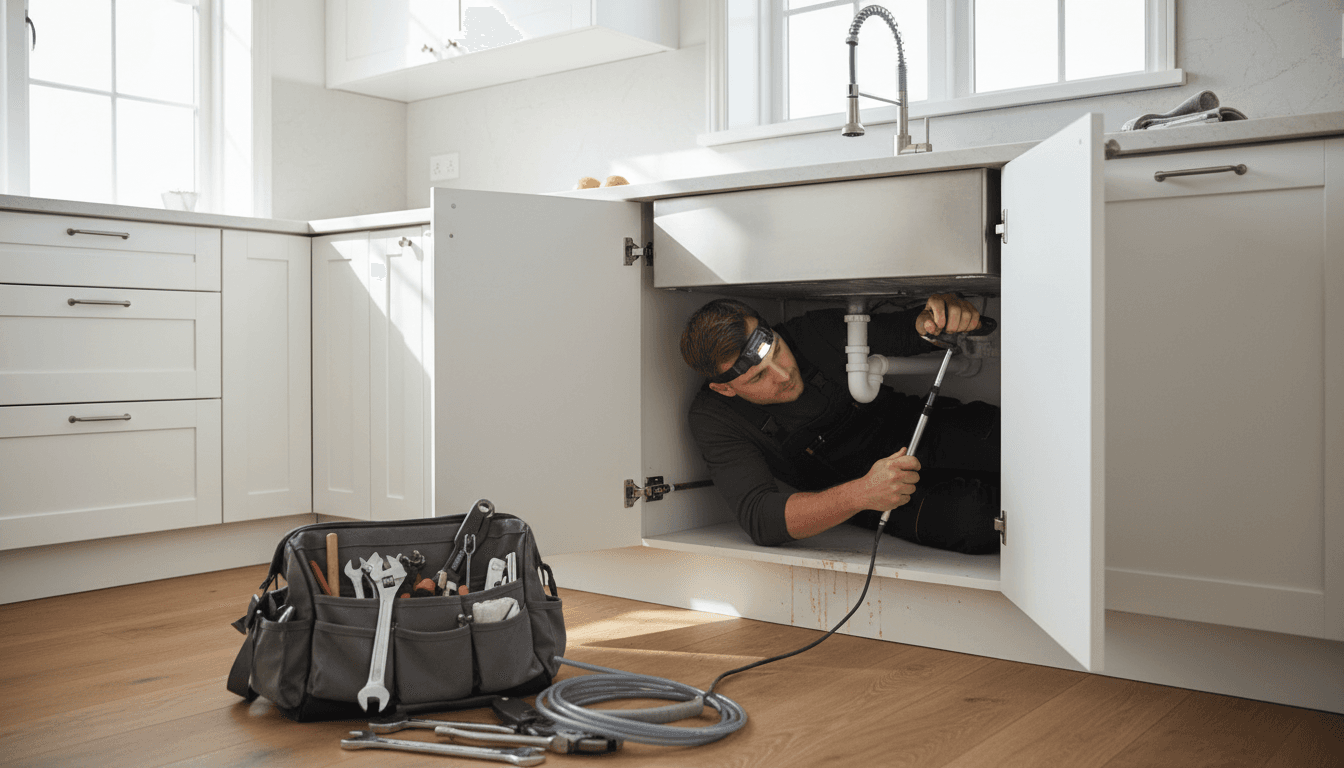
Since chemical cleaners are ineffective for deep blockages, professional diagnosis is the only reliable way to assess the interior of your pipes. This process involves snaking a waterproof, high-resolution camera mounted on a flexible fiber optic cable through a cleanout or floor drain. As the camera travels, it transmits real-time footage to a monitor, allowing a technician to identify the specific nature of the problem, whether it is a root intrusion, a crushed section of pipe, or a sewer belly caused by shifting clay.
Using this technology removes the guesswork from emergency drain cleaning. Instead of attempting blind fixes, we can determine if the line simply needs hydro jetting to clear debris or if structural comprehensive plumbing services are required to fix a collapse. Many property owners worry about the sewer line camera inspection cost; however, this diagnostic is a proactive investment. It is significantly more affordable than the emergency remediation costs associated with a raw sewage backup in a finished basement or commercial space. If you notice persistent signs of a sewer line problem, you should contact Sanpete Plumbing to schedule a visual assessment and ensure your waste system remains functional.
Who is Responsible for the Sewer Line in Utah?
Determining who pays for repairs depends entirely on where the damage occurs. In most Utah municipalities, including those throughout Sanpete County, the property owner is responsible for the entire sewer lateral. This lateral is the pipeline that runs from your home’s exterior to the point where it connects with the public main, which is typically located under the street or in a dedicated easement. Many residents are surprised to learn that this responsibility includes sections of the pipe running beneath public sidewalks or the curb.
Because repairs to the lateral can be expensive, you should review your homeowners insurance policy carefully. Standard coverage rarely includes exterior service line failures. You may need a specific service line rider to cover costs associated with signs of a sewer line problem, such as pipe collapses or root remediation. If you are unsure about the condition of your lateral or need an assessment for insurance purposes, contact Sanpete Plumbing for comprehensive plumbing services. Taking proactive steps now helps avoid unexpected financial burdens when emergency drain cleaning is no longer enough to keep the system flowing.