Hard water plumbing problems include mineral scale buildup that clogs pipes, reduces water pressure, and significantly shortens the lifespan of water heaters. These accumulations decrease appliance efficiency and can eventually lead to pipe corrosion or total system failure in homes and farms. Regular maintenance and water treatment are necessary to protect plumbing from high mineral concentrations.
If you have noticed white, crusty buildup on your showerheads or spotted persistent streaks on your clean dishes, you are already witnessing the high mineral load characteristic of Central Utah water. In our region, hard water is far more than a cosmetic nuisance; it represents a serious threat to the longevity of your entire plumbing system. Calcium and magnesium deposits gradually form a thick layer of limescale that constricts pipes, reduces water pressure, and forces appliances to work significantly harder. This silent killer is especially damaging to water heaters and agricultural irrigation systems, often resulting in expensive failures that could have been avoided. In this article, we will examine the specific plumbing problems caused by local hard water, the timeline for potential damage, and the proactive filtration and maintenance solutions required to safeguard your home or farm.
Understanding the Mineral Load: Why Central Utah Water is So Hard
Living in Sanpete County means dealing with a landscape that is as beautiful as it is mineral-dense. Our regional geology, characterized by vast limestone and dolostone deposits, directly impacts the chemical composition of our local water supply. As snowmelt and rain filter through the earth into our aquifers, they dissolve these rocks, carrying high concentrations of calcium and magnesium into our wells and municipal lines.
In the plumbing industry, water hardness is measured in grains per gallon (gpg). While soft water contains less than one grain, tests throughout Central Utah frequently reveal readings ranging from 15 to 30 grains. This places our regional supply firmly in the very hard category. Although this water is entirely safe for human and livestock consumption, it essentially functions as liquid rock within your pipes.
This mineral load is the primary driver behind most local hard water plumbing problems, acting as a constant adversary to fixtures and appliances. Understanding this mineral concentration is the first step in managing the long-term health of your property. Sanpete Plumbing provides comprehensive plumbing services to help residents navigate these geological challenges and mitigate the impact of the heavy mineral load found throughout our service area.
Common Hard Water Plumbing Problems in Local Homes
The mineral load described in the previous section manifests first through unmistakable visual cues around the home. Residents in Manti, Gunnison, and surrounding areas often notice a stubborn, white, crusty buildup on showerheads and faucet aerators. This substance, known as limescale, is the physical residue of calcium and magnesium left behind as water evaporates. It does not just ruin the finish on fixtures; it also affects daily chores. Glassware emerges from the dishwasher looking cloudy or spotted, and laundry often feels stiff or abrasive because minerals become trapped within the fabric fibers.
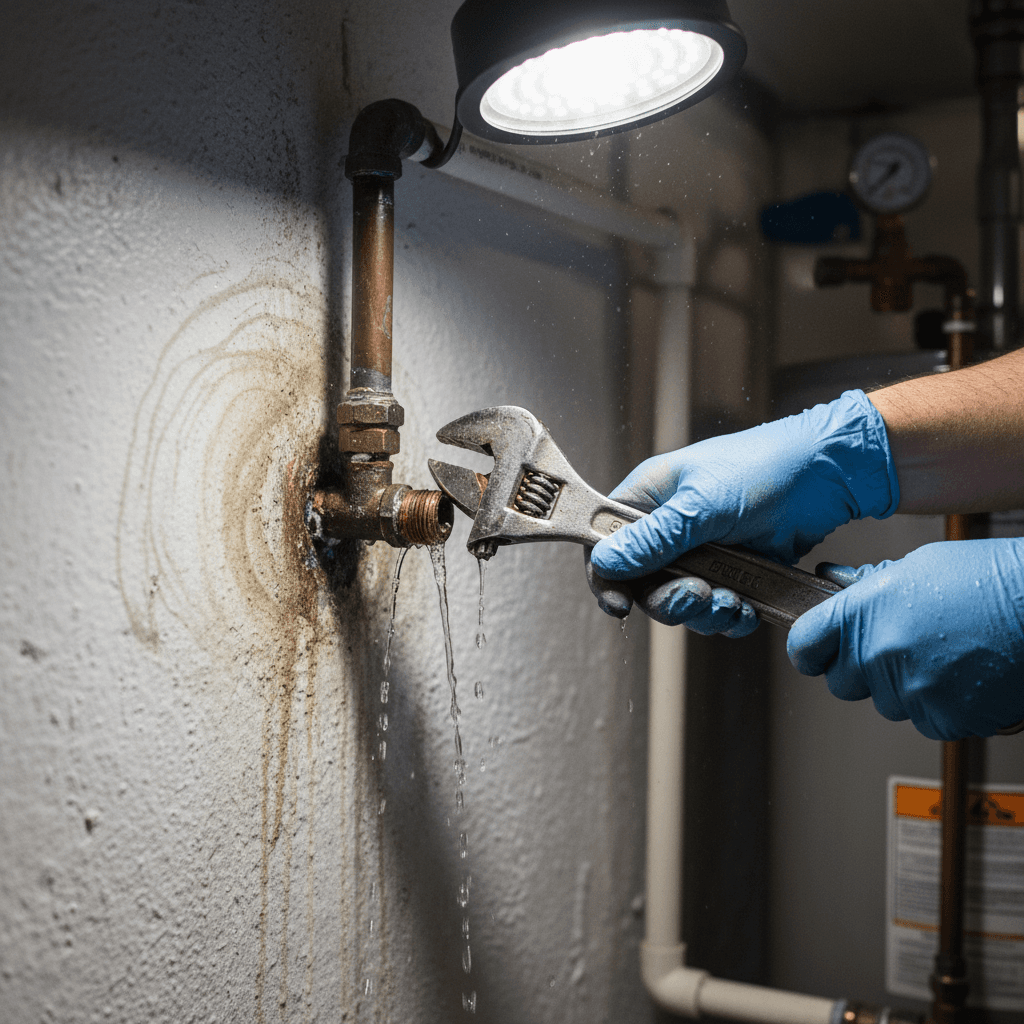
While these surface issues are frustrating, the most severe hard water plumbing problems occur where they cannot be seen. As mineral rich water travels through your home, it leaves behind thin layers of scale on the interior walls of your piping. Over several years, these layers thicken, effectively acting like clogged arteries for your plumbing system. This internal diameter reduction restricts water flow and leads to a noticeable drop in water pressure at the tap.
In many older Sanpete County residences, this restricted flow forces pumps and appliances to work harder, increasing wear on the entire system. If you notice a gradual decrease in pressure or persistent spotting on your fixtures, you can contact Sanpete Plumbing to evaluate the extent of the scaling. Addressing these symptoms early can prevent the total blockages that eventually require comprehensive plumbing services to repipe or repair damaged sections of the home. Maintaining your system against these mineral deposits is essential for long term functional reliability.
The Silent Killer: How Limescale Destroys Your Water Heater
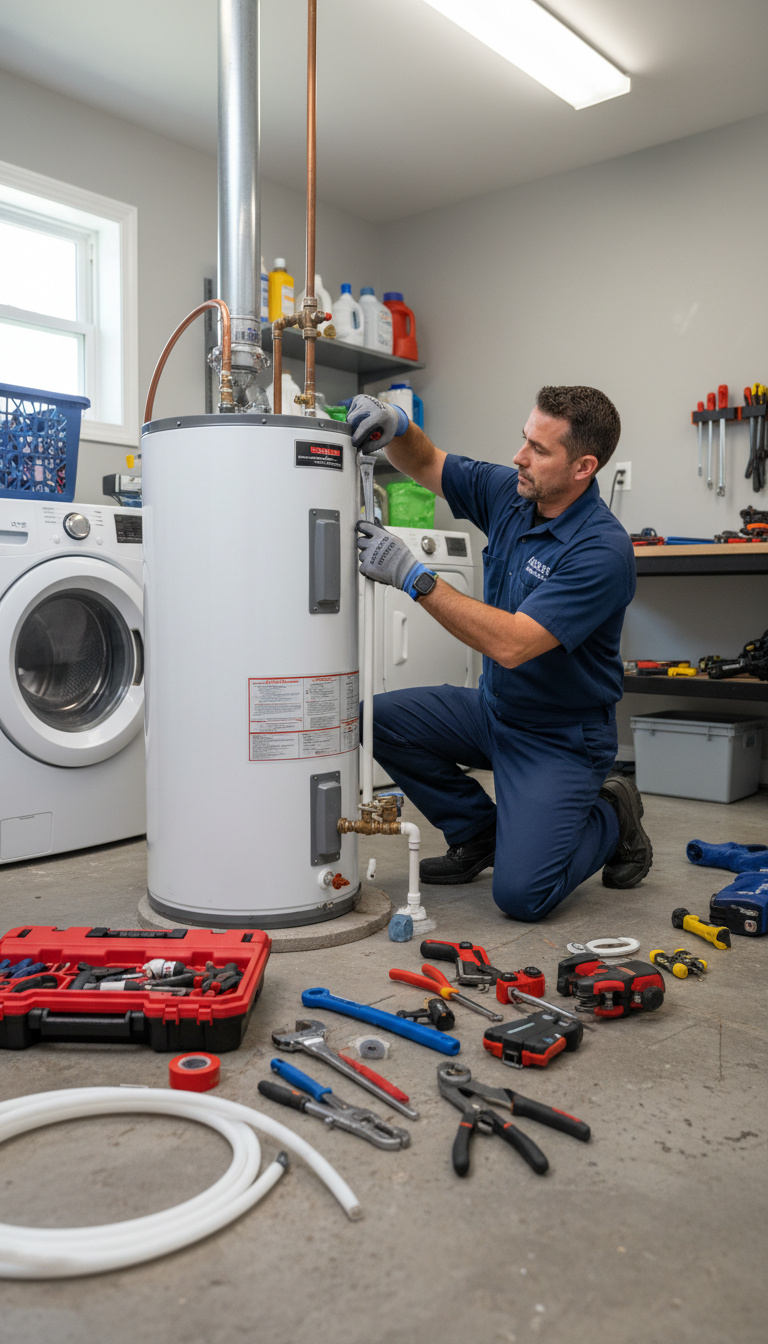
While internal pipe scaling is a slow process, the impact on your water heater is much more immediate and aggressive. When water is heated, the calcium and magnesium minerals previously discussed undergo a chemical change called precipitation. As the water temperature rises, these minerals drop out of the liquid and solidify into rock-hard scale. In a traditional tank-style heater, this sediment settles at the bottom, creating a thick layer of insulation between the heating element or gas burner and the water it is supposed to warm.
Local homeowners often ask, "Can hard water mess up a water heater?" The answer is a definitive yes. Because limescale is such an effective insulator, it forces the unit to work significantly harder to reach the thermostat setting. This leads to massive efficiency loss and higher utility bills. More importantly, it causes the heating elements to overheat and fail prematurely. In gas models, the sediment layer can cause the bottom of the tank to become hot enough to weaken the steel, eventually leading to a catastrophic tank rupture.
One of the most common signs of this damage is a phenomenon known as kettling. If you hear popping, rumbling, or banging sounds coming from your utility room, it is not just air in the pipes; it is the sound of steam bubbles getting trapped under a heavy layer of sediment and then bursting as they escape. This constant thermal stress accelerates the wear on the tank's internal lining.
Tankless units are not immune either; in fact, they are often more susceptible to hard water plumbing problems. The narrow passages within a tankless heat exchanger can become completely blocked by scale in a short amount of time, triggering error codes and system shutdowns. If your unit is struggling to provide consistent hot water or making unusual noises, it may be time to consider professional water heater installation or a specialized descaling service. Protecting this appliance is critical to avoiding the expense of premature replacement. You can contact Sanpete Plumbing for a diagnostic evaluation of your current system's health.
Beyond the House: Hard Water Risks for Agricultural and Commercial Clients

While residential issues are frustrating, the stakes are significantly higher for the agricultural and commercial operations that drive the Central Utah economy. In a livestock operation, the liquid rock found in our local supply quickly compromises automated watering systems. Calcium deposits frequently clog the small orifices of nipple waterers and jam the float valves in large troughs. For a rancher or farmer, these hard water plumbing problems represent more than just a maintenance task; they can lead to dehydrated livestock or flooded pens when a mineral encrusted valve fails to shut off correctly.
Commercial enterprises face similar operational threats. Local restaurants, schools, and healthcare facilities rely on specialized equipment like high temperature dishwashers, steamers, and commercial ice machines. In these machines, rapid heating accelerates scale formation, which can coat sensors and heating probes. This leads to inaccurate temperature readings, increased energy consumption, and frequent mid service breakdowns. When expensive industrial equipment fails years before its expected lifespan, it represents a direct hit to a company's bottom line. Sanpete Plumbing provides comprehensive plumbing services tailored to these high stakes environments. If your operation is experiencing decreased equipment reliability, you should contact Sanpete Plumbing to discuss industrial grade mitigation strategies designed for the specific mineral load of our region.
How Long Until Damage Occurs? Understanding the Timeline
Residents often ask, "How long does it take for hard water to damage pipes?" The answer depends on your specific water usage; however, in Sanpete County, the chemical process begins the moment water enters your system. While a catastrophic pipe failure or a total blockage usually takes a decade or more of accumulation, the degradation of your home's efficiency starts on day one.
Within three to six months of installation, visible white crusting typically appears on faucet aerators and showerheads. By the one to two year mark, untreated water heaters in Central Utah often accumulate enough sediment to noticeably increase energy costs and slow down recovery times. This timeframe is significantly shorter than in many other regions because of our specific geological mineral load. If left unaddressed for several years, this sediment hardens into a dense, stone-like layer that resists standard maintenance and flushing. To determine how much accumulation has already occurred in your lines or appliances, you can contact Sanpete Plumbing to discuss comprehensive plumbing services tailored to your property's age and water quality.
Proactive Solutions: Water Softeners and Filtration Systems
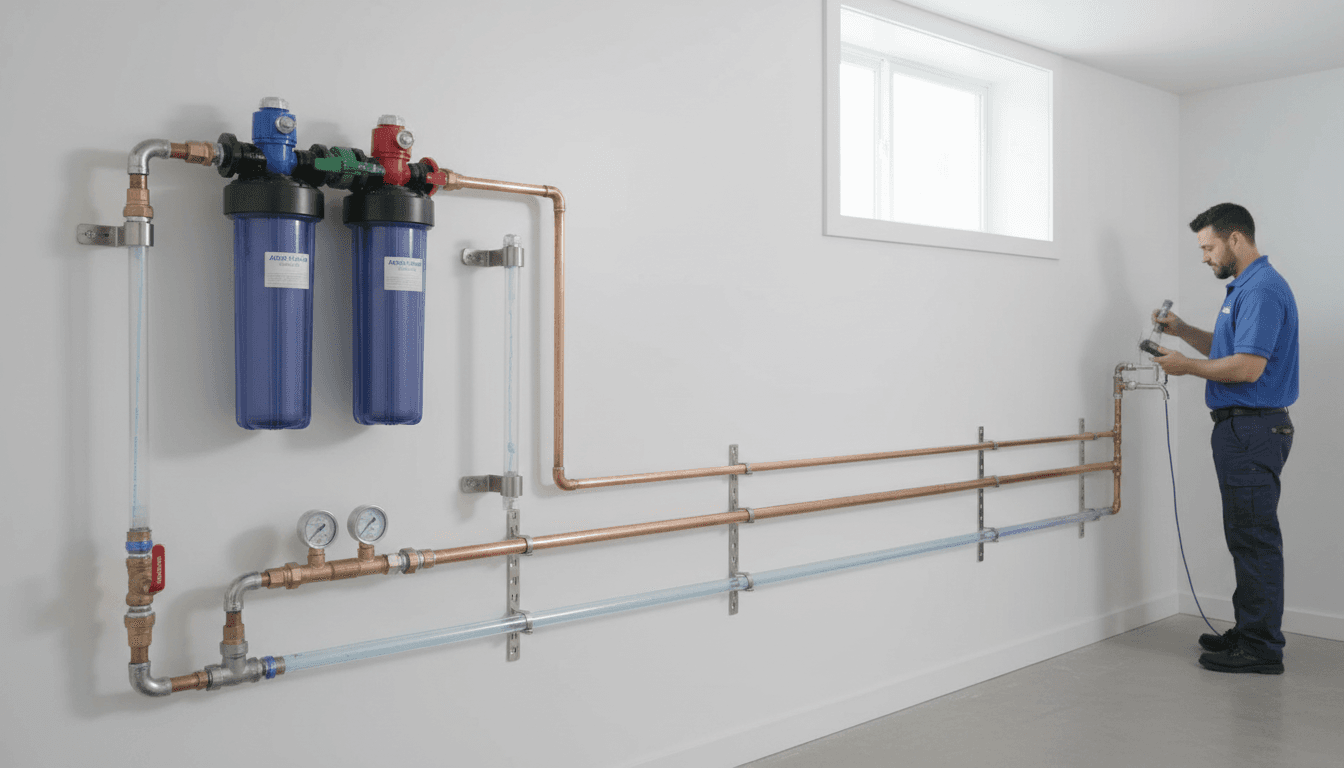
Given the extreme grain counts found in Ephraim and Mount Pleasant, standard off-the-shelf solutions rarely provide the protection needed for long-term reliability. To effectively mitigate hard water plumbing problems, you must choose a system specifically rated for our regional mineral load. The most effective method for Sanpete County residents is an ion-exchange water softener. These systems utilize a tank filled with resin beads that carry a negative charge. As hard water passes through, the positively charged calcium and magnesium ions cling to the beads, effectively stripping the liquid rock from the water before it ever reaches your pipes.
It is important to differentiate between softening and filtration. A whole-home sediment filter removes physical particles like sand or rust but does nothing to change the mineral chemistry of the water. Conversely, a softener specifically targets hardness. For high-purity drinking water, many local property owners pair a softener with a Reverse Osmosis (RO) system. While the softener protects the plumbing, the RO system uses a semi-permeable membrane to remove dissolved solids and salts from water used for cooking and consumption.
System Type | Primary Function | Best For |
|---|---|---|
Ion-Exchange Softener | Mineral Removal | Protecting pipes, heaters, and fixtures |
Reverse Osmosis (RO) | Fine Contaminant Removal | Drinking water and ice makers |
Scale Inhibitors | Mineral Sequestration | Smaller footprints or specific appliances |
Sediment Filtration | Physical Particle Removal | Well water with sand or grit |
In some applications, such as agricultural sites with high flow rates, scale inhibitors may be used to chemically prevent minerals from bonding to surfaces without fully removing them. However, for a standard residential or commercial building, professional sizing is critical. A system that is undersized for 25-grain water will exhaust its capacity too quickly, leading to hard water breakthrough and wasted salt. You can contact Sanpete Plumbing to perform a precise hardness test and ensure your equipment is calibrated correctly. Proper installation is the foundation of comprehensive plumbing services, ensuring your investment actually stops the cycle of mineral damage.
The Importance of Regular Maintenance: Flushing and Descaling
Installing a softener is a primary defense, but active maintenance is the only way to clear existing mineral buildup from your appliances. For property owners in Sanpete County, the national standard recommendation of an annual flush is often insufficient. Given our extreme mineral concentrations, you should flush your tank-style water heater every 6 to 12 months. This process removes loose sediment before it calcifies into a permanent, rock-hard layer that traps heat and wastes energy.
Tankless units require a more technical approach. While DIY kits are available, professional descaling is superior because specialized pumps and food-grade solvents must be circulated through the heat exchanger at specific pressures to dissolve scale without corroding sensitive copper components. If you own an older home, you might wonder: Should you flush a 20 year old water heater? If the unit has not been regularly maintained, flushing it now could be risky. Disturbing heavy, solidified sediment in an aged tank often reveals pinhole leaks that the scale was effectively plugging. In these cases, you should contact Sanpete Plumbing for an inspection to see if professional water heater installation is a more cost-effective long-term solution. Consistent care is the best way to manage hard water plumbing problems before they lead to emergency failures.