You can learn how to keep livestock water from freezing by utilizing insulated troughs, placing waterers in sunny locations, or installing frost-proof automatic watering systems. Other effective methods include using large water volumes to maintain thermal mass and placing floating salt water bottles in buckets to disrupt ice formation; these strategies ensure consistent access to water for animals during harsh winter conditions without always requiring electricity.
When the temperature drops below zero across Sanpete County, every livestock owner knows the frustration of facing a solid block of ice where a water source should be. Hauling buckets or swinging a sledgehammer in the biting wind is more than just a nuisance; it is a significant drain on your time and a risk to your animals' health. In Central Utah, managing agricultural plumbing requires a strategic approach that respects our deep frost line and erratic weather patterns. This guide provides professional insights into keeping your troughs flowing throughout the harshest months. We will explore high efficiency frost free hydrants, the mechanics of circulation systems, and reliable off grid methods for remote pastures. From safe electrical installations for tank heaters to maintenance checklists for your ranching operation, these practical solutions will ensure your livestock stays hydrated while protecting your plumbing infrastructure from costly winter damage.
Understanding the Central Utah Frost Line and Agricultural Plumbing
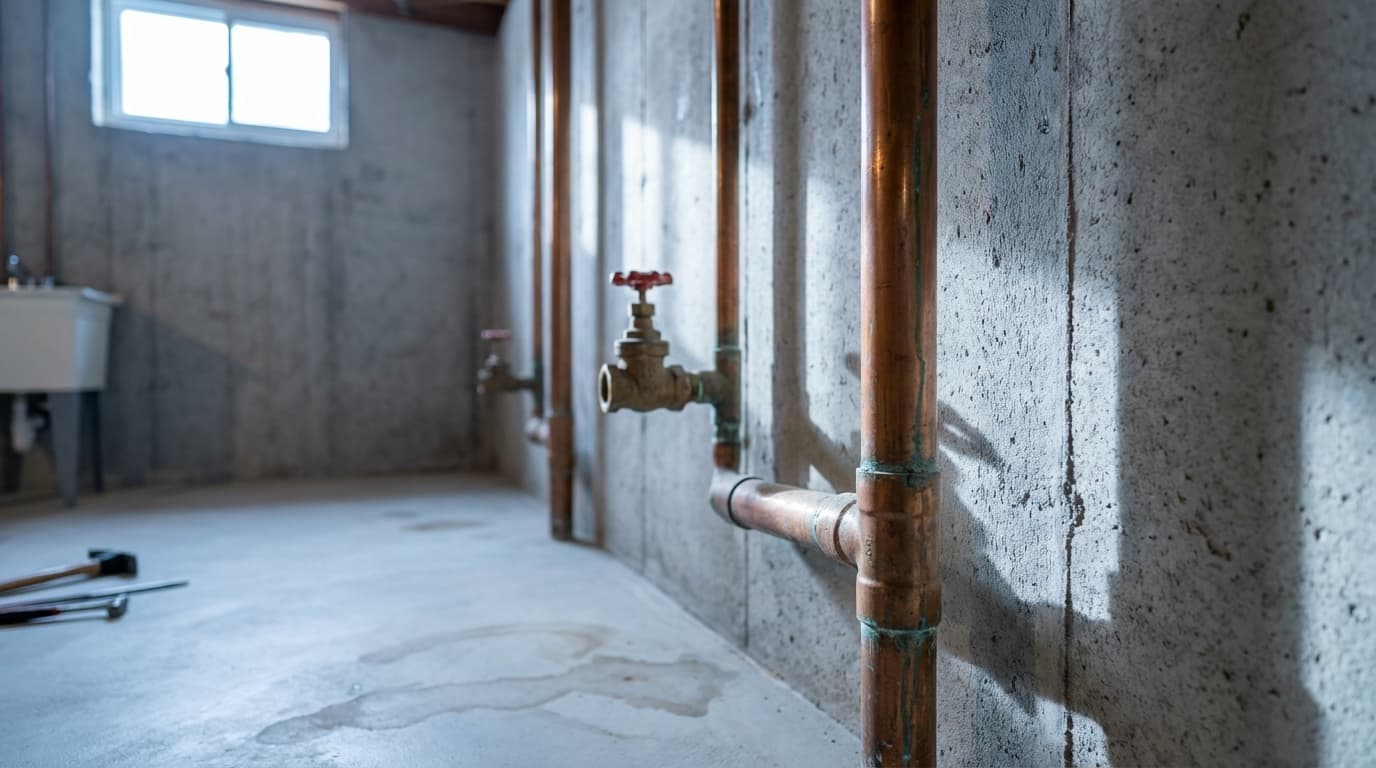
When considering how to keep livestock water from freezing, the most critical factor is the depth of the underground supply lines. In Sanpete County, the frost line routinely penetrates 36 to 48 inches depending on the elevation and soil moisture. A pipe buried too shallow is the number one cause of frozen troughs and ruptured lines on local ranches. Generic plumbing advice found online often suggests burial depths that are insufficient for the high-altitude desert environment of Central Utah.
Professional standards for specialized livestock watering systems in our area demand deeper trenching and specific bedding materials to handle the thermal contraction of the earth. Without these precautions, the radiant cold from the surface will reach the water column regardless of how much insulation is wrapped around the above-ground fixture. For property owners looking to secure their water supply, Sanpete Plumbing provides comprehensive installation and repair services tailored to these rigorous local conditions. Relying on standard residential depths for agricultural applications is a recipe for mid-winter emergencies; it requires a specialized approach to ensure water remains flowing when temperatures drop below zero for extended periods.
Professional Solutions for Frost Free Livestock Watering
Professional grade automatic waterers, such as those manufactured by Ritchie or Miraco, represent the most reliable solution for long term winter management. These systems do not rely solely on electricity to prevent freezing; instead, they utilize geothermal heat from the soil below the frost line. The design features a heavy duty insulated casing and a vertical thermal tube, often referred to as a riser, that extends deep into the earth. This tube allows the relatively warm air from the ground, typically around 50 degrees Fahrenheit, to rise up and surround the supply valve and water column, maintaining a liquid state even when ambient air temperatures drop well below zero. Understanding the mechanics of these units provides a clear answer for how to keep livestock water from freezing through passive geothermal energy rather than relying solely on active heating elements.
Successful installation of these specialized livestock watering systems depends on more than just the unit itself. The foundation must be prepared with a substantial layer of coarse gravel, usually 12 to 18 inches deep, positioned directly beneath the thermal tube. This drainage layer serves two purposes. First, it allows any internal overflow or condensation to drain away, preventing water from pooling and freezing around the supply line. Second, it provides a stable base that resists the natural expansion and contraction of the soil. Without proper drainage and a reinforced concrete pad, the watering unit can shift during the spring thaw, which frequently results in snapped supply lines and costly repairs.
For ranchers in Sanpete County, the plumbing connection inside the riser must be executed with precision. We utilize high quality valves and flexible connectors that can withstand the vibrations of livestock use. Integrating these units into your existing infrastructure requires careful trenching to ensure the supply line maintains the necessary depth until it enters the vertical heat tube. If you are planning a new installation or need to upgrade an existing setup, you can contact Sanpete Plumbing to ensure the system is engineered to survive the Central Utah winter. Proper comprehensive installation and repair services significantly reduce the daily labor of breaking ice and ensure your herd has access to water regardless of the weather.
How to Keep Livestock Water from Freezing Without Electricity
Managing a herd without access to a reliable power source requires a different tactical approach to winter hydration. For small homesteads or remote pastures in Central Utah, utilizing non-electric methods is a common way to address how to keep livestock water from freezing. The most effective passive method is the installation of double walled insulated troughs. These units act like a vacuum flask, using an air gap or spray foam between two layers of heavy duty plastic to retard heat loss. While they cannot generate heat, they are remarkably efficient at preserving the latent warmth of the water coming from the ground, especially when paired with an insulated cover that limits the surface area exposed to the wind.
A well known practical trick for smaller tanks involves a sealed plastic bottle filled with a high concentration of salt water. The science behind this is freezing point depression; salt water freezes at a significantly lower temperature than the fresh water in the trough. As the bottle floats, the internal liquid remains fluid, and the bobbing action caused by wind or drinking animals prevents ice crystals from bridging across the surface. This is a temporary measure, however; it is rarely sufficient when temperatures drop into the single digits for multiple days at high elevations.
Method | Best Use Case | Primary Limitation |
|---|---|---|
Double-Walled Troughs | Small herds, sheltered areas | No active heat source |
Salt Water Bottles | Temporary or mild freezes | Fails in extreme cold |
Passive Solar | Sunny, south-facing paddocks | Depends on cloud cover |
Thermal Mass | Shallow tanks | Requires daily sunlight |
Passive solar stock tanks offer another alternative by using a black tank covered with an insulated lid that has only small drinking holes to capture radiant heat from the sun. Some owners even build a small greenhouse structure or add thermal mass, such as large dark stones, to the bottom of the tank to store heat absorbed during the day. While these methods are clever, they do not offer the same reliability as specialized livestock watering systems. Passive systems require daily monitoring and frequent manual ice removal during the peak of January. For those managing larger operations or remote locations where daily checks are difficult, upgrading to a professionally installed system is often the most cost effective choice in the long run. If you are struggling with a frozen setup, you can contact Sanpete Plumbing for an evaluation of your current infrastructure.
The Science of Moving Water and Circulation Systems
The old adage that moving water does not freeze is a half truth in the context of a Sanpete County winter. While kinetic energy disrupts ice crystal formation, sub-zero temperatures can still overcome a slow-moving current, leading to slush and eventual blockages. Bubblers and circulators work by creating surface agitation, which is effective for keeping a hole open in a large trough during moderate freezes. However, for a reliable solution on how to keep livestock water from freezing during a deep freeze, circulation must involve the entire supply line, not just the surface of the tank.
A continuous flow or bleeder system is often the most resilient choice for agricultural setups. This requires a precisely installed overflow pipe to prevent flooding. We install a bulkhead fitting near the top of the trough with a standpipe that determines the water level. The excess water is then channeled through a buried drainage line that carries the overflow away from the corral to a pond or a dedicated drainage area. This prevents the formation of dangerous ice sheets around the trough while ensuring that fresh, warmer water from the deep supply line is constantly replacing the water cooling at the surface.
Circulation Method | Mechanism | Best Application |
|---|---|---|
Surface Bubbler | Air agitation | Large open tanks, mild cold |
Mechanical Circulator | Water movement | Deep troughs with power |
Continuous Flow | Thermal exchange | High-altitude, extreme cold |
Setting up these specialized livestock watering systems correctly requires a calculated balance of flow rate and drainage capacity. If your current drainage is inadequate, you can contact Sanpete Plumbing to design a system that keeps your lines clear without creating a skating rink for your herd. Proper drainage is essential for comprehensive installation and repair services in cold climates.
Tank Heaters and De-Icers: Safe Electrical Installation
Integrating electrical heaters is a common method for how to keep livestock water from freezing when geothermal or passive methods are insufficient for the local climate. Submersible heaters are generally preferred for plastic tanks because they sit at the bottom, safely away from the surface where they are less likely to be tossed out by livestock, provided they have a sturdy protective cage. Floating de-icers work from the surface down and are effective at keeping a drinking hole open in large troughs, though they remain more exposed to wind and inquisitive muzzles.
Safe installation requires more than just a heavy duty extension cord. All watering equipment must be connected to a Ground Fault Circuit Interrupter (GFCI) outlet to prevent lethal shocks. Furthermore, stray voltage is a significant concern on Central Utah ranches. Even a minor electrical leak, undetectable to a human hand, creates a tingling sensation that will deter livestock from drinking entirely. If your animals are standing near a liquid tank but refuse to drink, stray voltage is likely the culprit.
Heater Type | Placement | Best Application |
|---|---|---|
Submersible | Tank Bottom | Plastic or metal tanks; safer for playful animals |
Floating | Surface | Keeping a drinking hole open in large troughs |
Drain Plug | Tank Port | Integrated look; keeps cords away from the rim |
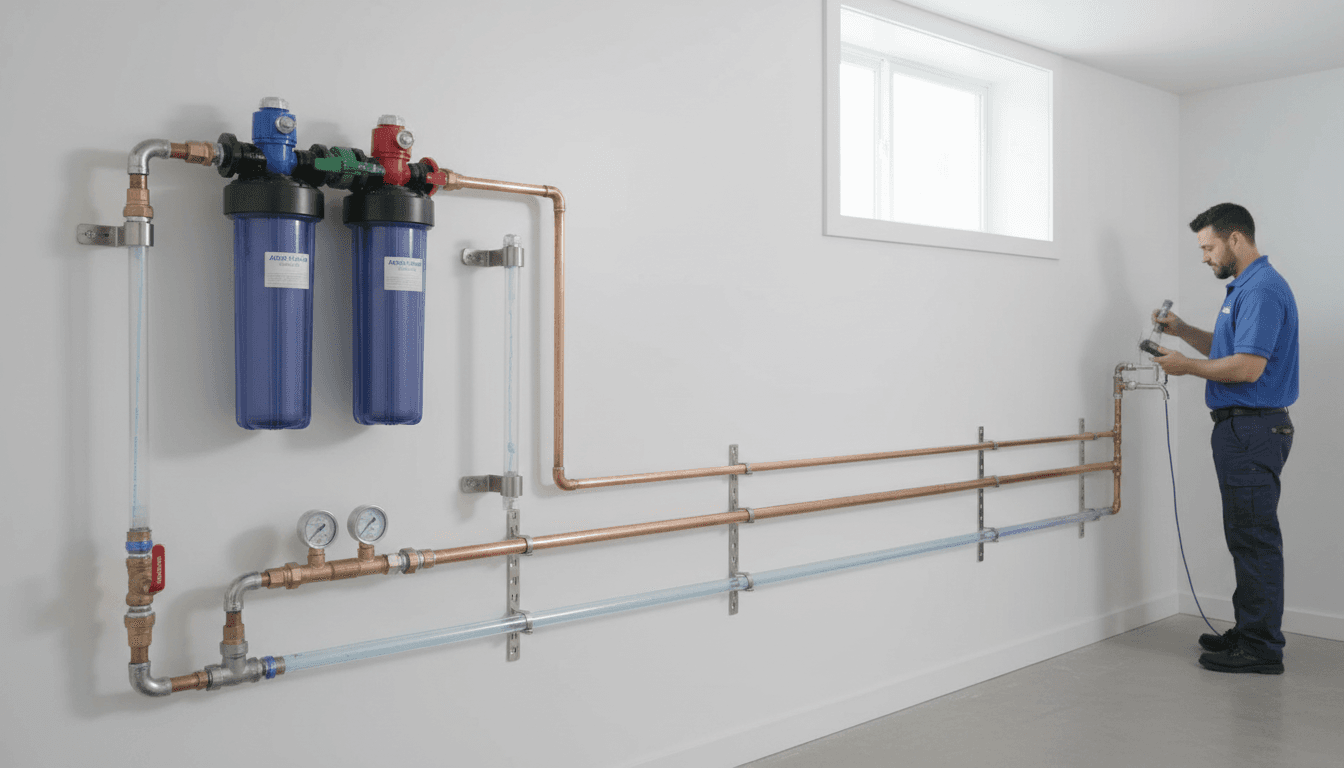
Protecting the physical connection is the final step in a professional setup. We recommend shielding all cords with PVC pipe or flexible metal conduit to prevent damage from chewing livestock. If your existing circuit is frequently tripping or you suspect grounding issues, you can contact Sanpete Plumbing. We provide comprehensive installation and repair services to ensure your specialized livestock watering systems are electrically sound and safe for your herd.
Species Specific Watering Needs in Winter
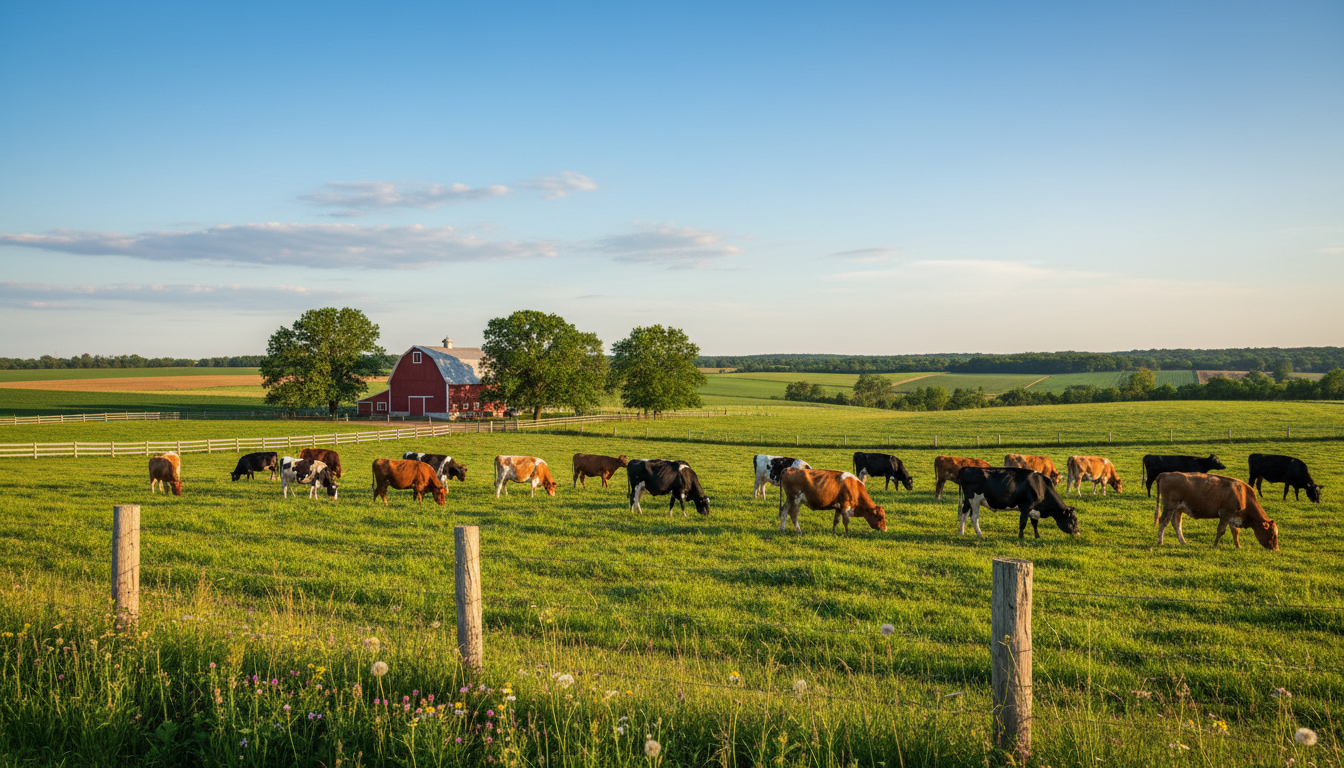
Understanding the behavioral differences of your livestock is just as important as the mechanical setup when determining how to keep livestock water from freezing. Cattle, for instance, require high-volume access. A single beef cow can consume over 10 gallons of water daily even in mid-winter. For these herds, we focus on large capacity troughs equipped with high-recovery valves. The plumbing must be sized to ensure the refill rate keeps pace with the herd's demand; if the water level drops too low, the exposed interior surfaces of the tank are more likely to develop a thick ice crust.
Horses present a different challenge due to their sensitivity to water temperature. Research indicates horses prefer water between 45 and 65 degrees Fahrenheit. If the water is near freezing, they will often decrease their intake, which significantly increases the risk of impaction colic. Maintaining this specific temperature range requires more precise thermostat settings on your tank heaters than what is typically needed for cattle or sheep.
Animal Type | Hydration Priority | Temperature Preference |
|---|---|---|
Cattle | High volume and flow rate | Above freezing |
Horses | Temperature consistency | 45°F to 65°F |
Poultry | Small, frequent access | Above freezing |
Small Ruminants | Cleanliness and height | Above freezing |
For poultry, the small volume of water in standard founts means it freezes almost instantly. We recommend using specialized heated bases for metal waterers or insulated buckets with heated nipple drinkers. Regarding common questions about materials, while copper pipes are sometimes installed to help mitigate algae growth due to their natural antimicrobial properties, they have no impact on the freezing point of water. In fact, copper conducts cold more efficiently than PEX, making proper insulation even more critical for copper supply lines. If you need help tailoring your setup for specific animals, you can contact Sanpete Plumbing for comprehensive installation and repair services or to design specialized livestock watering systems for your property.
Winter Maintenance Checklist for Sanpete Ranches
Effective winter preparation begins before the ground hardens in October or early November. A proactive maintenance schedule prevents emergency repairs during a blizzard when digging is impossible.
Inspect Heat Tape: Examine the entire length for cracks or signs of overheating. Ensure the thermostat is positioned firmly against the pipe and not dangling in the air.
Insulate Exposed Components: Use weather resistant, closed cell foam to wrap any valves or piping above the frost line. Secure the insulation with UV rated ties to prevent it from shifting.
Test Float Valves: Manually trigger floats to ensure they move freely. Mineral deposits common in Central Utah can seize these components, leading to overflows or dry tanks.
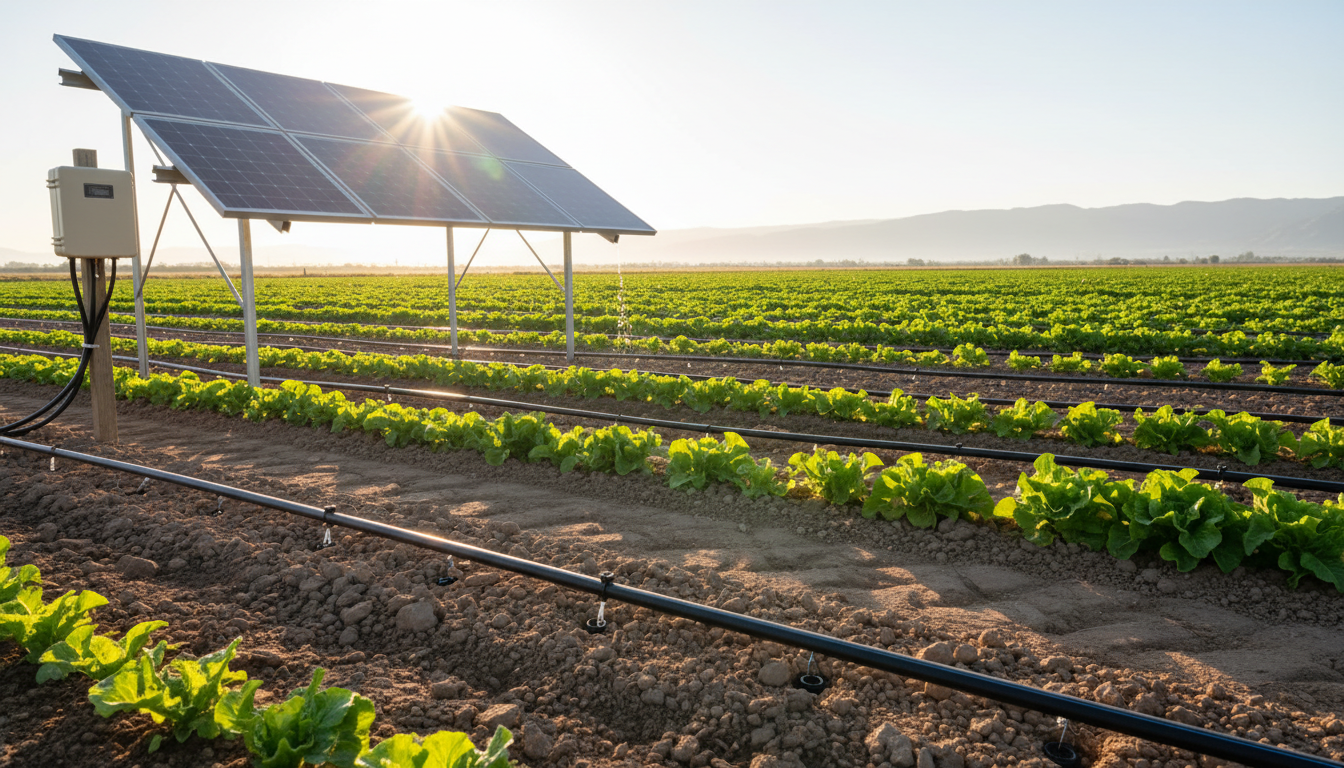
Clear Solar Arrays: For remote pastures, ensure solar panels are angled to shed snow and cleared of dust to maximize charging for pump batteries.
Verify Electrical Safety: Test GFCI outlets to confirm they trip correctly, ensuring your animals are safe from stray voltage.
Scheduling a professional plumbing audit before the first hard freeze identifies vulnerabilities like slow leaks or shallow lines. You can contact Sanpete Plumbing for comprehensive installation and repair services to verify your specialized livestock watering systems are ready for the sub zero temperatures ahead.