Common signs of a gas leak include a distinct rotten egg odor, hissing or whistling sounds near gas pipes, and patches of dead or discolored vegetation. Homeowners should also watch for physical symptoms like dizziness or nausea and immediately evacuate if they suspect a leak is present.
Have you ever caught a faint, sulfurous whiff in your utility room or heard a mysterious whistling near your furnace; only to wonder if your home is truly safe? In Sanpete County, where we rely heavily on gas for both domestic comfort and critical agricultural operations, a suspected leak is never something to ignore. These leaks are often subtle at first, yet they represent a significant danger to your family, your livestock, and your property value. Recognizing the early warning signs is the most effective way to prevent a crisis before it begins. This guide explores the sensory indicators and physical symptoms of a gas leak, alongside environmental red flags and specific safety protocols for rural properties. You will also learn exactly who to call for repairs and how regular maintenance can keep your gas lines operating safely for years to come.
Recognizing the Sensory Signs of a Natural Gas Leak

Natural gas is naturally colorless and odorless, making it nearly impossible to detect without intervention. To protect homeowners and business owners, utility companies inject a chemical called mercaptan into the fuel supply. This additive creates the distinct, sulfuric "rotten egg" smell that most people associate with gas. While a very faint scent might linger momentarily near an older oven's pilot light, a strong or persistent odor that spreads through a room or persists in a specific area is one of the most reliable signs of a gas leak.
Beyond smell, your ears can often identify a problem before your nose does. When gas escapes from a pressurized pipe or a loose fitting, it typically produces a persistent hissing or whistling sound. This is particularly common near appliance connection points, such as behind a clothes dryer, range, or water heater. If you hear this sound coming from a wall or a fixture, it suggests a breach that requires immediate attention. Even if the sound is faint, it indicates that gas is actively escaping the system.
Visual cues are equally important, especially for identifying leaks in underground lines or high-pressure systems. Inside the home, a significant rupture can sometimes manifest as a faint white cloud or fog near the source. Outside, keep an eye out for dust or dirt blowing upward from the ground in the absence of wind, which suggests gas is forcing its way through the soil. For properties in Sanpete County with exterior gas lines or underground service to outbuildings, look for persistent bubbling in standing water or puddles after a rainstorm. This bubbling is a classic indicator of a buried line failure. Identifying these sensory triggers early allows you to take action before the situation escalates. If you have concerns about the integrity of your system, our team provides comprehensive installation and repair services to ensure your lines are secure and meet all safety standards.
Physical Symptoms: How a Gas Leak Affects Your Health
While your senses can often alert you to external indicators, the physical effects on your body are sometimes the first signs of a gas leak you notice. If you or your family members experience persistent, flu-like symptoms that seem to vanish when you leave the property, you should investigate your gas system immediately. These symptoms typically include unexplained headaches, dizziness, nausea, and chronic fatigue. A key differentiator between a gas-related illness and a common cold is that these issues occur without a fever.
In some cases, high concentrations of gas can lead to sudden nosebleeds or localized skin irritation if you come into physical contact with a high-pressure discharge. Pets often serve as an early warning system because their smaller body masses and higher respiratory rates make them more susceptible to changes in air quality. If a cat or dog becomes unusually lethargic, loses its appetite, or exhibits sudden vomiting, they may be reacting to a leak that hasn't yet reached a concentration level humans can easily smell.
A common and serious concern for many homeowners is whether a gas leak can kill you in your sleep. The reality is that natural gas acts as an asphyxiant. As gas fills an enclosed space, it displaces the oxygen. This leads to hypoxia, a condition where the brain and body are deprived of oxygen. This can lead to unconsciousness and death without the individual ever waking up to recognize the danger.
It is important to distinguish these symptoms from carbon monoxide (CO) poisoning. While both cause similar physical distress, CO is a byproduct of incomplete combustion and is truly odorless, requiring a dedicated electronic detector for identification. Natural gas should carry the mercaptan scent mentioned previously, though physical symptoms may manifest first if a leak is slow or if the odor is being masked. If you notice these health red flags, contact our team to perform a professional pressure test on your lines.
Environmental Red Flags: Dead Plants and High Utility Bills
Environmental signs often provide the first clues of a leak before gas ever enters your living space. If you notice a patch of grass or a specific garden bed in your Sanpete County yard that is turning brown or dying despite regular watering, you may have a breach in an underground service line. Natural gas displaces the oxygen in the soil that plant roots require to survive, effectively suffocating the vegetation from the ground up. This localized dead zone is a reliable indicator for buried lines connecting your meter to the house or outbuildings.
Financial shifts are another critical indicator. A sudden, unexplained spike in your monthly gas bill often points to a slow, persistent leak. While these minor leaks might not produce an odor strong enough to trigger your senses, they waste significant fuel over time. If your usage patterns haven't changed and there hasn't been a drastic drop in temperature, a higher bill suggests gas is escaping somewhere in the system. Tracking these subtle environmental and financial changes is a key part of identifying the signs of a gas leak before they become emergency situations. If you suspect your outdoor lines are failing, our team provides comprehensive installation and repair services to secure your property and stop the waste of fuel.
Gas Leak Safety for Sanpete County Farms and Livestock Systems

In Sanpete County, gas lines often extend far beyond the main residence to support specialized livestock watering systems and high-output barn heaters. These systems are essential for keeping stock hydrated and warm during harsh Utah winters, but they also introduce additional points of failure across the property. Because these lines are frequently located in high-traffic or utilitarian areas, they are susceptible to mechanical damage from heavy machinery, shifting soil in animal pens, or settling foundations in older outbuildings.
One significant hurdle for farmers is that the characteristic sulfuric smell of a gas leak can be easily masked by the heavy, natural odors of animal waste, fermented feed, or fertilizers. In an agricultural setting, you cannot rely solely on your sense of smell. You must pay closer attention to auditory signs, such as a persistent hiss near a regulator, or visual cues like unusual frost buildup on a pipe or connector during a warm afternoon. If you see dirt blowing around a riser in a sheltered barn or bubbles in a stock tank near a gas-powered heater, these are critical signs of a gas leak that require immediate intervention.
Livestock environments are also prone to pest activity and physical wear. Rodents such as mice or rats can chew through flexible appliance connectors, creating small but dangerous breaches that waste fuel and create fire hazards. Additionally, equipment like skid steers or hay forks can inadvertently bump and loosen fittings in cramped quarters. We recommend a regular walk-through of all outbuildings to inspect these connectors for signs of wear, corrosion, or physical damage. If you notice any unusual equipment behavior or suspect the integrity of your agricultural gas lines has been compromised, contact our team to perform a professional pressure test and ensure your systems are up to code.
Immediate Action Plan: What to Do if You Suspect a Leak
Once you identify any of the physical or sensory signs of a gas leak, your priority shifts entirely to life safety. Do not attempt to locate the source of the leak, sniff out the exact pipe, or tighten a loose fitting yourself. Natural gas is highly combustible; even a microscopic spark can trigger an explosion. Follow this protocol immediately to protect yourself and your property:
Avoid all ignition sources. Do not flip light switches, use a landline telephone, or operate any electronics, including garage door openers. Even the small static charge from a flashlight or a thermostat can ignite concentrated gas.
Do not light matches or lighters. This includes smoking or using any open flame in or around the vicinity.
Leave the doors open as you exit. If windows are already open, leave them; however, do not take the time to open additional windows if it delays your evacuation.
Evacuate everyone immediately. Ensure all family members and pets are out of the structure and clear of the property.
Call for help from a safe distance. Once you are well away from the building, call 911 or your local gas utility provider from your cell phone.
Wait for the utility company or emergency responders to shut off the gas and declare the area safe. Never attempt to turn the gas back on yourself once it has been disabled. After the emergency is controlled, contact our team to provide the professional repairs or comprehensive installation and repair services needed to restore your system to safe working order.
Do Plumbers Deal with Gas Lines: Who to Call for Repairs
Navigating who to call after noticing signs of a gas leak can be confusing. Many homeowners are unsure if they need an HVAC technician, the utility company, or a plumber. Local gas companies generally only maintain the service line up to the meter. Once the gas passes that meter, the responsibility for the piping, fittings, and appliance connections falls on the property owner. Licensed plumbing contractors like Sanpete Plumbing are the primary professionals trained to install, repair, and certify these systems.
While HVAC technicians often work on gas lines specifically for heating systems, a plumber provides comprehensive installation and repair services for the entire gas infrastructure of a home, ranch, or commercial facility. If you suspect a leak, your first call should be to the utility company or emergency services to shut off the supply. However, once the immediate danger is neutralized, you will need a licensed plumber to locate the breach, perform a pressure test, and complete the necessary repairs to restore service. For non-emergency inspections or to verify the integrity of older connections, contact our team to ensure your lines meet current safety codes and are properly sealed.
Preventative Maintenance: How Often Should Gas Lines Be Inspected
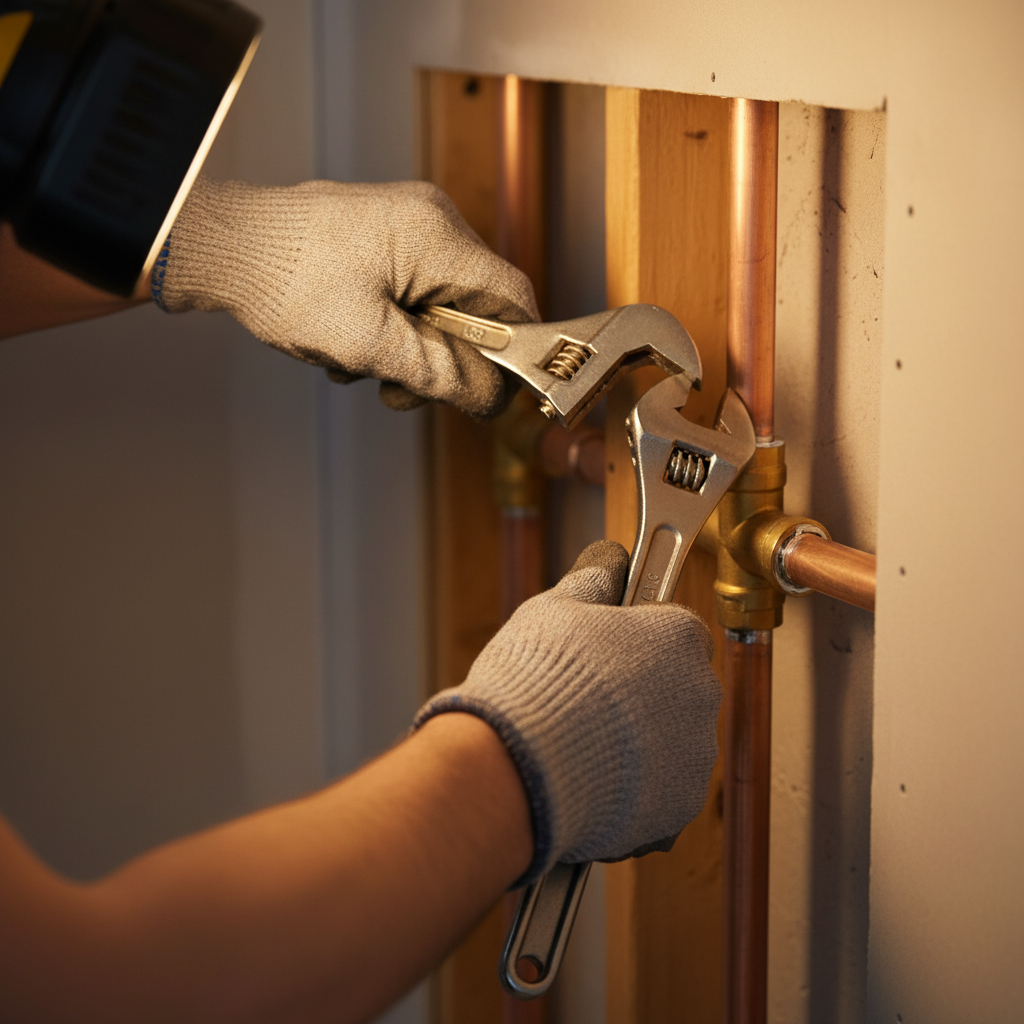
Scheduling professional inspections is the most effective way to prevent the dangerous signs of a gas leak from ever developing. For homes and commercial properties in Central Utah, the local geography and soil conditions can cause foundations to settle, which places significant stress on rigid gas joints and fittings. If your property is more than 20 years old, an annual inspection is highly recommended. Pipes reaching the 20 to 30 year mark are at a much higher risk for localized corrosion and joint failure due to material fatigue.
Beyond systemic checks, practical maintenance happens at the appliance level. Every time you install a new gas range or clothes dryer, inspect or replace the flexible connector. These components are prone to wear and should never be reused if they show any signs of kinking or corrosion. For newer systems, a professional assessment every two years is generally sufficient. If you live in an older residence with aging infrastructure, contact our team to schedule a thorough pressure test and visual inspection of your entire system.