You can learn how to prevent frozen pipes from bursting by maintaining indoor temperatures above 55 degrees and allowing faucets to drip slowly to relieve internal pressure. Homeowners should also insulate vulnerable areas like crawl spaces and seal any exterior gaps to protect plumbing from extreme winter conditions.
The sound of a pipe bursting in the middle of a Sanpete County winter night is a nightmare every homeowner dreads. When temperatures drop well below zero in places like Ephraim or Manti, the water inside your plumbing lines expands with immense force. This pressure can easily overwhelm even the sturdiest copper or PEX tubing, leading to costly water damage and emergency repair bills that could have been avoided with a few simple precautions. In this guide, we will share expert strategies to safeguard your home during the deep freeze. You will learn the correct way to drip your faucets, how to insulate vulnerable crawl spaces, and how to manage your thermostat effectively. We will also cover specific advice for protecting livestock watering systems and the safest methods to thaw a frozen line before it causes a catastrophic failure.
Understanding the Sanpete County Freeze: When Do Pipes Actually Burst?
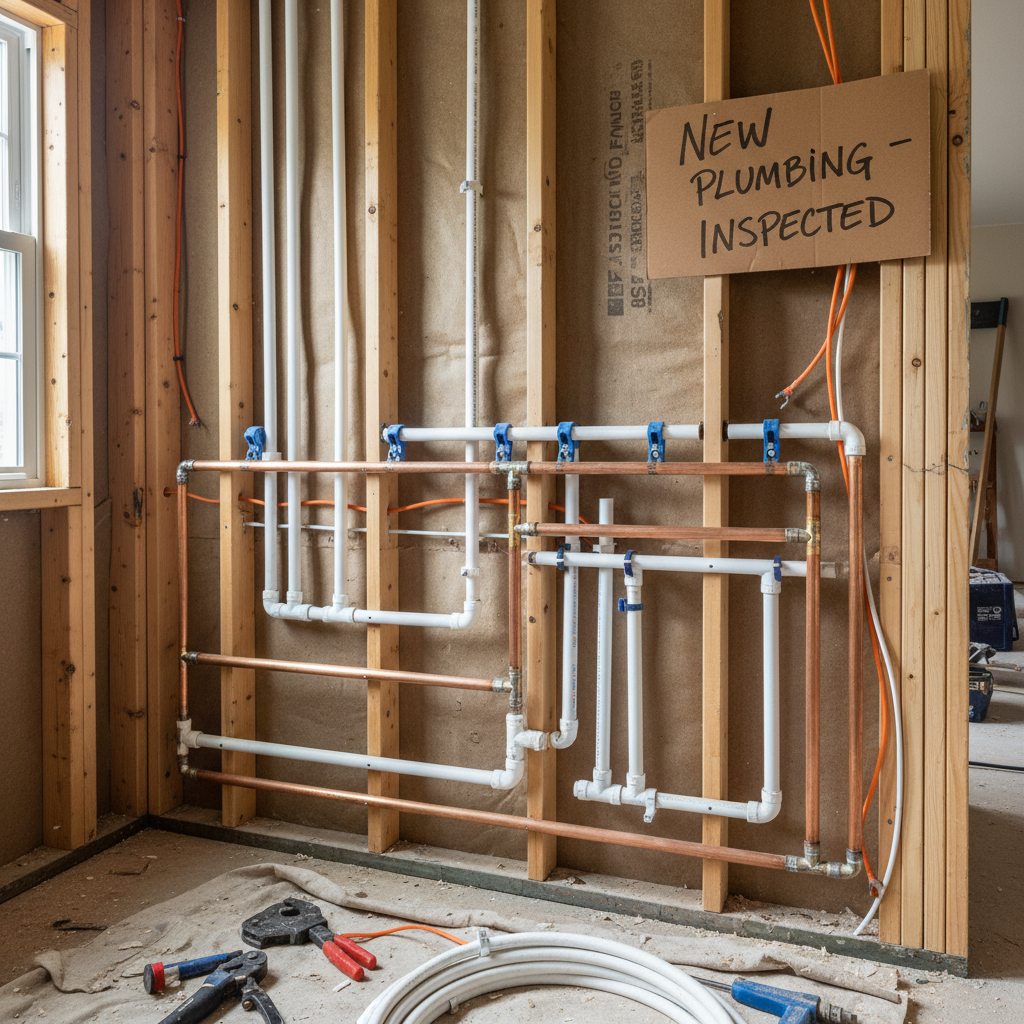
In Sanpete County, winter is not just a season; it is a rigorous test for your home’s infrastructure. Many homeowners assume that a pipe bursts simply because ice expands, but the physics are more complex. When water freezes inside a copper or PEX line, it creates an ice blockage. As that ice continues to expand, it pushes the remaining liquid water toward the closed faucet, creating immense hydraulic pressure. This trapped pressure is what eventually causes the pipe walls to fail, often at a point far away from the actual ice plug. Knowing this mechanism is the first step in learning how to prevent frozen pipes from bursting.
Understanding the temperature threshold is critical for local residents. While 32 degrees Fahrenheit is the freezing point of water, pipes generally do not reach the danger zone until outdoor temperatures drop to 20 degrees or lower for several consecutive hours. However, in high elevation areas like Manti or Mount Pleasant, the wind chill can accelerate this process significantly. Harsh gusts coming off the mountains strip heat from exterior walls and crawl spaces much faster than in the lower Utah valleys. This makes our preventative maintenance programs essential for older homes with less insulation. If a freeze does lead to a rupture, timely emergency response for burst pipes is necessary to mitigate water damage before the thaw begins.
Drip or Stream: The Best Faucet Settings to Prevent Frozen Pipes
Since the primary goal is relieving the hydraulic pressure discussed in the previous section, the debate between a drip or a full stream of water is easily settled. A slow, steady drip is generally all that is required to provide the relief valve your plumbing system needs. You do not need a heavy flow to be effective; a consistent drip ensures that even if an ice blockage begins to form, the pressure does not build to a critical failure point. This simple step is one of the most cost effective ways to understand how to prevent frozen pipes from bursting during a snap freeze.
Homeowners often ask: should you drip cold or hot water? The best practice is to allow a tiny bit of both to run. While the cold water line is typically the first to freeze because it lacks the residual heat of a water heater, hot water lines are just as vulnerable once the water inside them cools to ambient temperatures. By opening both slightly, you ensure that neither line stays stagnant. This is particularly important in older Manti homes where plumbing might be routed through uninsulated exterior walls.
For maximum effectiveness, identify the faucet located furthest from where the main water line enters your home. By choosing this fixture, you force water to move through the longest possible run of your plumbing system, reducing the chances of a localized freeze in a remote branch of the house. If you are unsure of your home's layout or need a professional assessment of your system’s vulnerability, our preventative maintenance programs can help identify these high risk areas before the first frost hits. Keeping drains open and clear is also vital to avoid accidental flooding while these faucets are active.
How to Prevent Frozen Pipes in Crawl Spaces and Unheated Areas
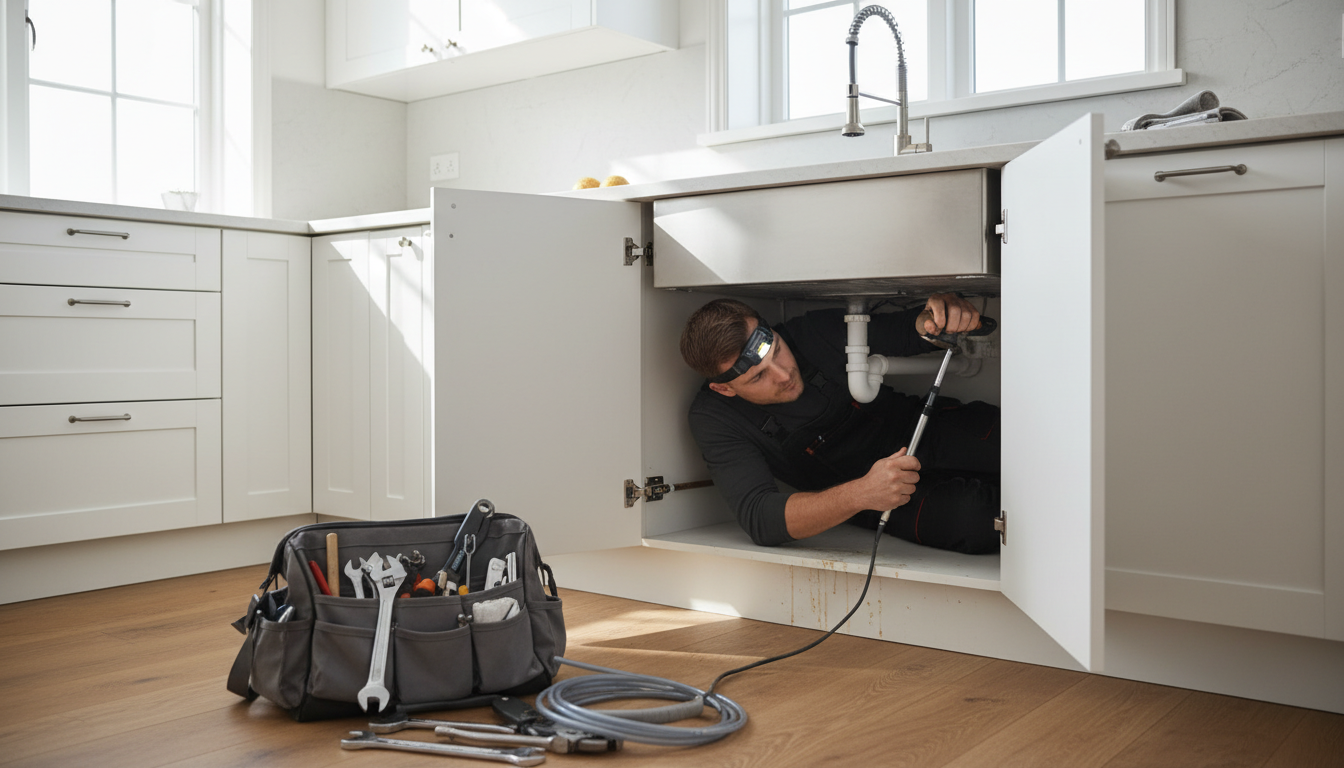
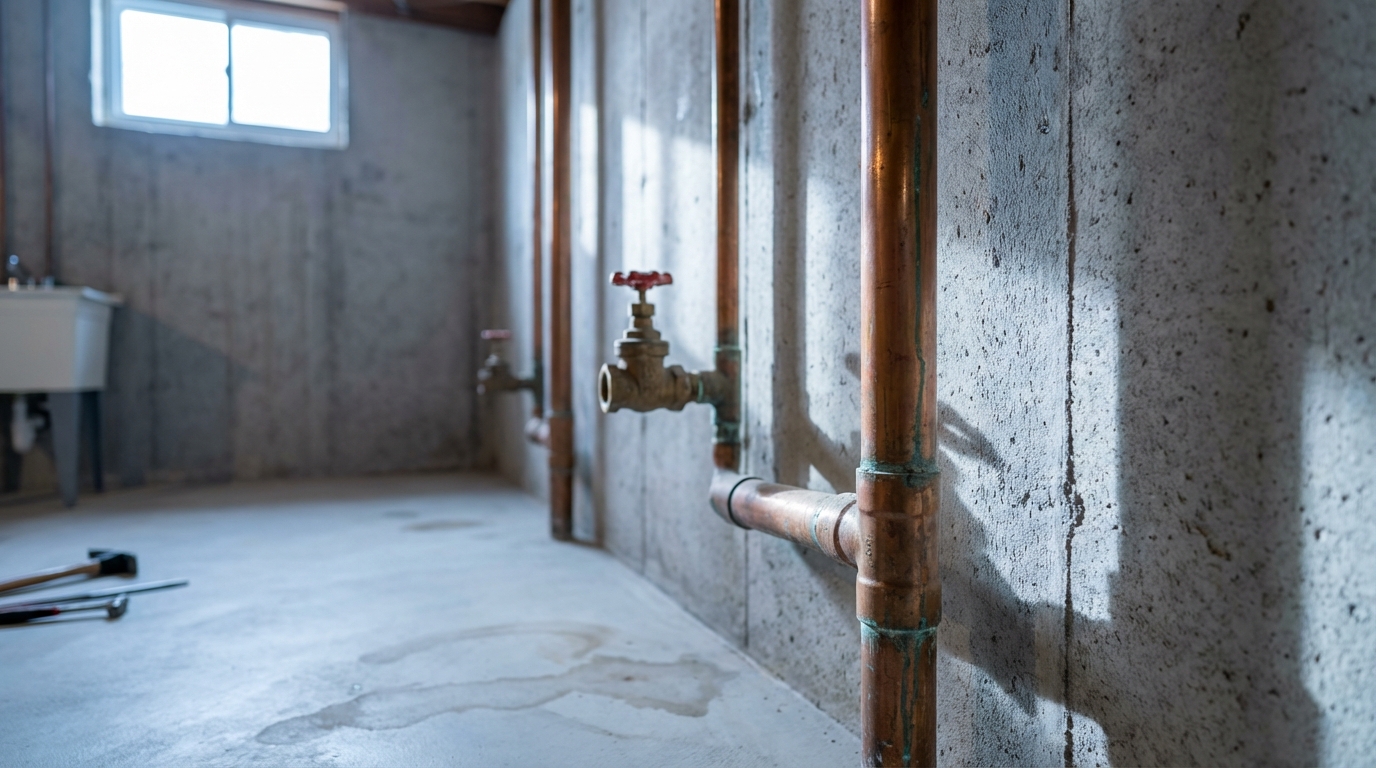
In older residences throughout Central Utah, the crawl space is often the primary failure point for plumbing during a deep freeze. Learning how to prevent frozen pipes in crawl space environments requires a two pronged approach: sealing the structural envelope and insulating the specific water lines. Start by inspecting the rim joists, which are the perimeter areas where the house frame meets the foundation. Small gaps here act like vacuums for freezing Sanpete winds; use spray foam or silicone caulk to seal these leaks before the first October frost.
For the pipes themselves, install high density polyethylene foam insulation. In our local climate, we recommend a minimum R-value of R-13 for crawl space walls to maintain a tempered environment. If you have a dry crawl space, you can focus on insulating the foundation walls. However, if the space is wet or prone to seasonal moisture, you must wrap the pipes individually with closed cell sleeves to prevent dampness from compromising the thermal properties of the material.
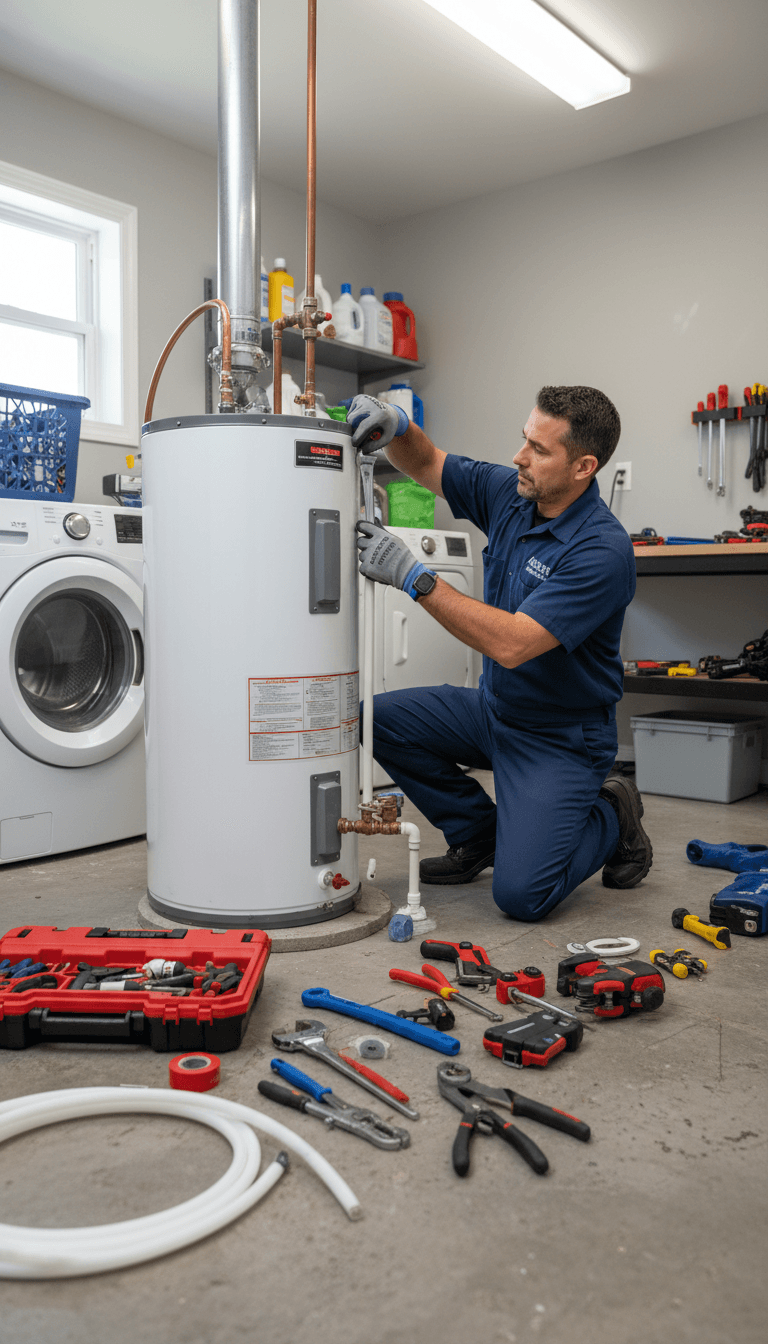
These principles extend to agricultural infrastructure. For pump houses and unheated outbuildings in rural areas like Sterling or Axtell, insulation is even more critical because these structures lack the residual heat of a main residence. While it is tempting to place a portable space heater in a tight crawl space or shed, we strongly advise against it. The fire risk in these confined, often dusty areas is significant. Instead, prioritize permanent solutions like professional grade heat tape or improved insulation. If you are unsure if your current setup can withstand a subzero night, contact Sanpete Plumbing for a professional evaluation of your system’s winter readiness.
Managing Your Thermostat to Avoid Winter Plumbing Disasters
While insulation and sealing provide a physical barrier, your thermostat serves as the primary engine of your home’s defense system. National guidelines often suggest setting the furnace to 55 degrees when you are away. In Sanpete County, however, this baseline is often insufficient. When the thermometer drops toward sub-zero levels in Ephraim or Fairview, we recommend maintaining a minimum indoor temperature of 60 to 65 degrees. This higher setting ensures that enough radiant heat penetrates the hidden wall cavities where plumbing lines reside, keeping the water inside from reaching a critical freeze point during extreme cold snaps.
For those managing a vacant property or a mountain cabin, the strategy shifts. Simply relying on the furnace is a gamble; a single mechanical failure or power outage could lead to a catastrophic rupture. To truly understand how to prevent frozen pipes from bursting in an unoccupied residence, you must remove the water entirely. Shut off the main water valve and open all fixtures to drain the lines completely. If the pipes are empty, there is no fluid to expand or create hydraulic pressure. Homeowners who split their time between Central Utah and warmer climates should consider our preventative maintenance programs to ensure their seasonal properties are professionally winterized. If you need assistance locating your main shut-off or preparing a vacant home, you can contact Sanpete Plumbing for a full system walkthrough.
Protecting Outdoor Faucets and Livestock Watering Systems
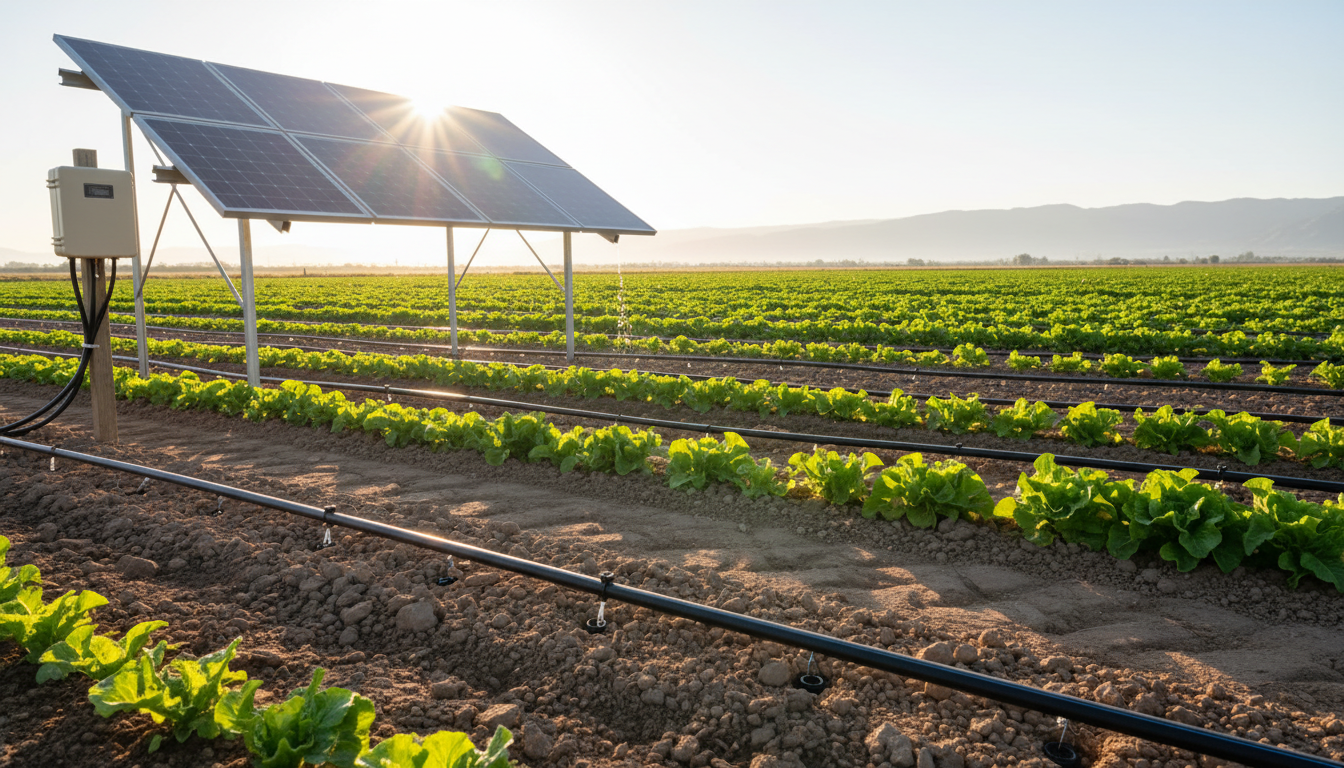
Outdoor plumbing requires a specialized approach, especially for the many farms and ranches across Sanpete County. A common misconception is that frost free hydrants are invulnerable. These units work by placing the actual shut off valve deep inside the heated wall of the building, allowing the exterior stem to drain. However, if you leave a garden hose attached during a freeze, the water cannot exit the hydrant. That trapped water freezes, expands, and splits the internal casing. You often will not realize the damage occurred until you turn the water on in the spring and discover a major leak flooding your wall or crawl space. We strongly advise all residents to disconnect and drain every garden hose before the first hard freeze, which typically hits our area by mid October.
For agricultural clients managing livestock watering systems, the stakes are higher. Outdoor troughs and automated waterers are primary targets for ice blockages. Proper heat tape installation is vital here; the tape must be rated for outdoor use and applied without overlapping to prevent overheating or fire risks. Combining heat tape with heavy duty insulation around supply lines is a proven method for how to prevent frozen pipes from bursting in exposed paddocks. If your agricultural setup lacks these protections, our preventative maintenance programs can help secure your winter water supply. For complex installations or troubleshooting, you can contact Sanpete Plumbing to ensure your livestock stay hydrated through the coldest months.
What to Do During a Power Outage to Keep Pipes From Freezing
In rural Sanpete County, heavy winter storms often lead to extended power outages that leave your home without a functioning furnace. When the heat stops, your indoor plumbing becomes a ticking clock. If you know the power will be out for more than an hour or two during a deep freeze, you must pivot from passive dripping to an active emergency plan. This is the most effective way to understand how to prevent frozen pipes from bursting when you cannot maintain indoor temperatures.
Follow these steps immediately to protect your infrastructure:
Locate your main water shut-off valve, typically found in a basement, crawl space, or utility closet near the front of the home, and turn it to the closed position.
Open every faucet in the house, including showers and tubs, starting from the top floor and working your way down to the lowest point. This allows the gravity-fed water to exit the lines.
Flush every toilet until the tanks are empty.
By removing the water, you eliminate the medium that causes hydraulic pressure. If there is no water in the pipes, there is nothing to freeze and expand. If your power returns and you discover a leak despite these efforts, you may need an emergency response for burst pipes to handle the restoration. For properties with complex layouts or specialized agricultural pumps, you can contact Sanpete Plumbing to map out an outage plan specific to your site.
How to Safely Thaw a Frozen Pipe Without Causing a Burst
If you discover a faucet that yields only a trickle or no water at all during a Sanpete freeze, you likely have a localized ice blockage. The first step is to open the faucet completely. This provides a necessary exit for water and steam as the ice melts, which is a final effort in how to prevent frozen pipes from bursting due to internal pressure. Use a hair dryer, a heat lamp, or even an electric heating pad wrapped around the pipe to apply gentle warmth. You must never use a blowtorch, propane heater, or any open flame; these tools present a severe fire hazard and can easily damage the pipe material or surrounding insulation.
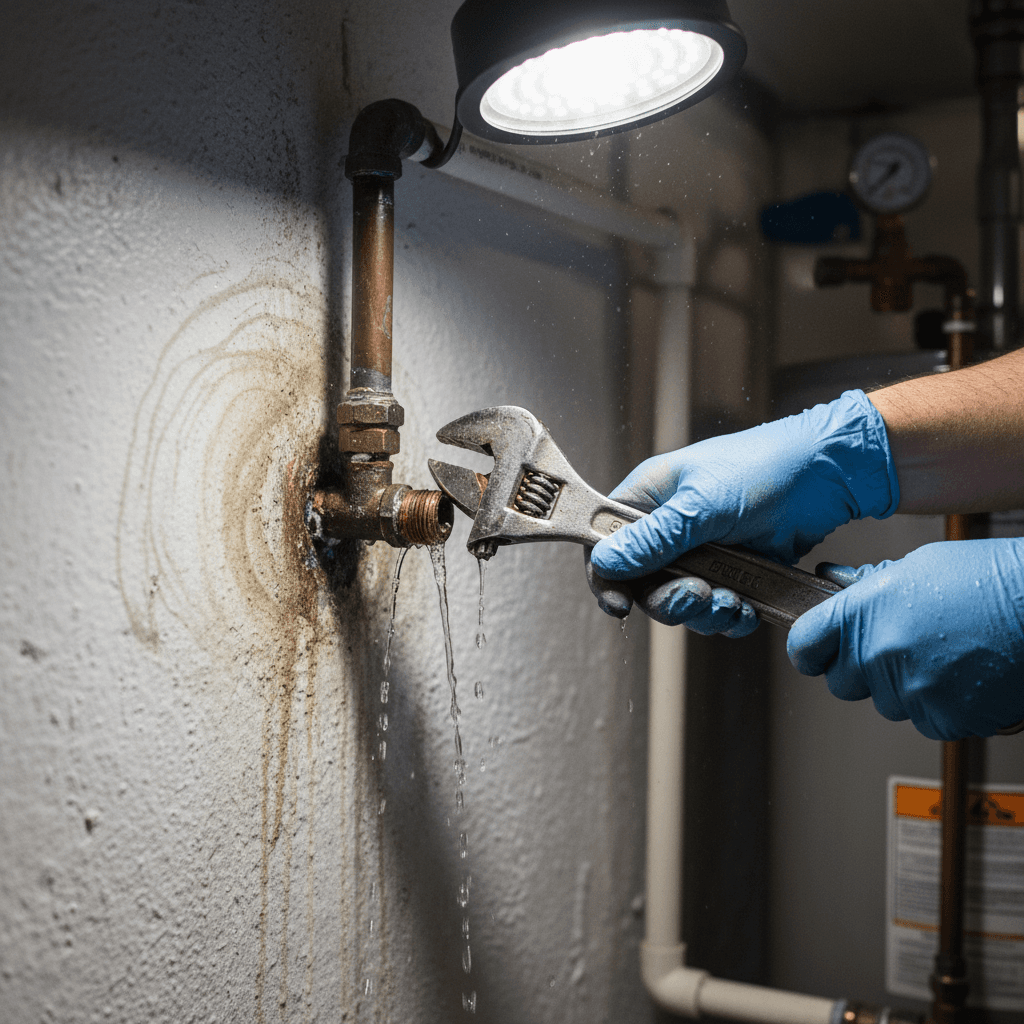
Start thawing at the section of pipe closest to the open faucet and work your way toward the main water supply. As you work, inspect the pipe closely for hairline fractures or bulging. It is a common misconception that the thawing process causes the break. In reality, the pipe often bursts while frozen, but the ice plug acts as a temporary seal. Once that ice melts, water will immediately spray from any damaged areas. If you identify a crack or if the pipe remains frozen despite your efforts, you will need a professional emergency response for burst pipes. Should the situation become unmanageable, contact Sanpete Plumbing for immediate assistance or to schedule one of our preventative maintenance programs to harden your home against future winters.