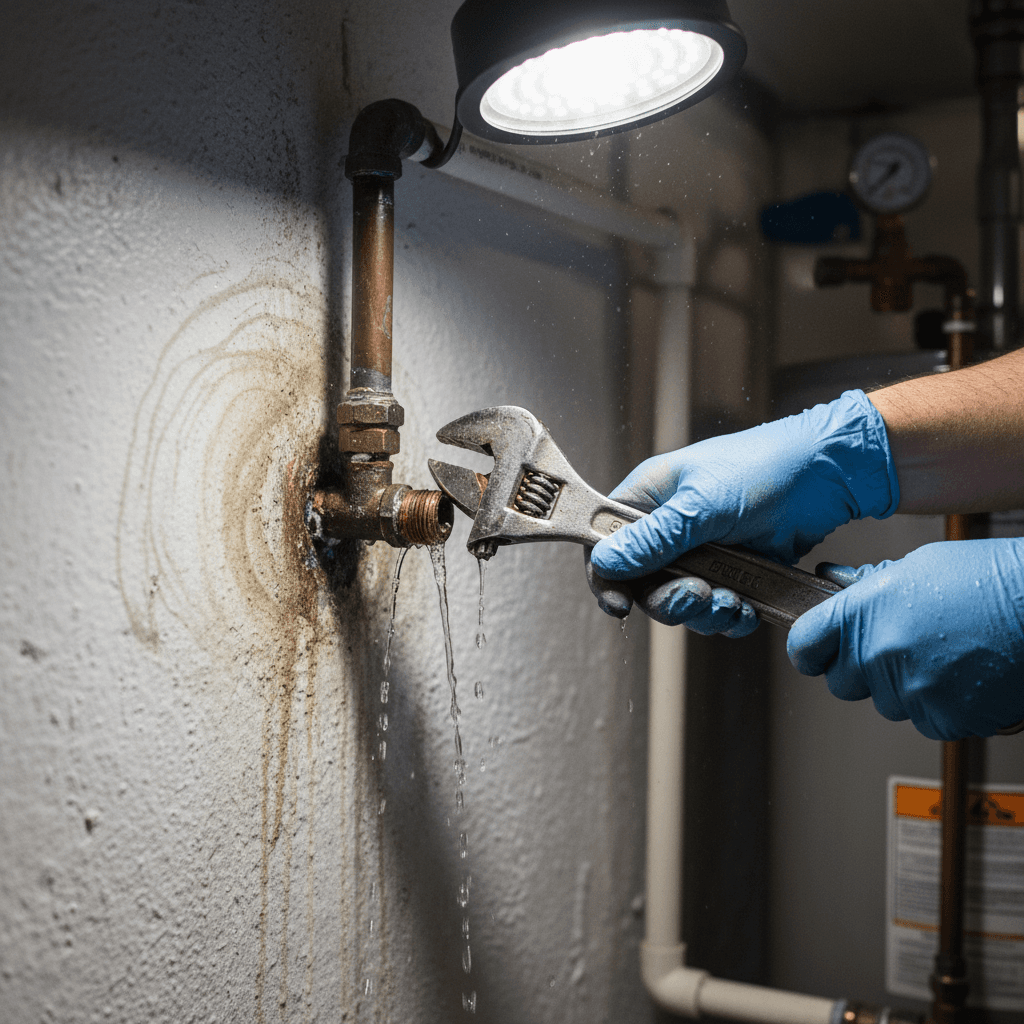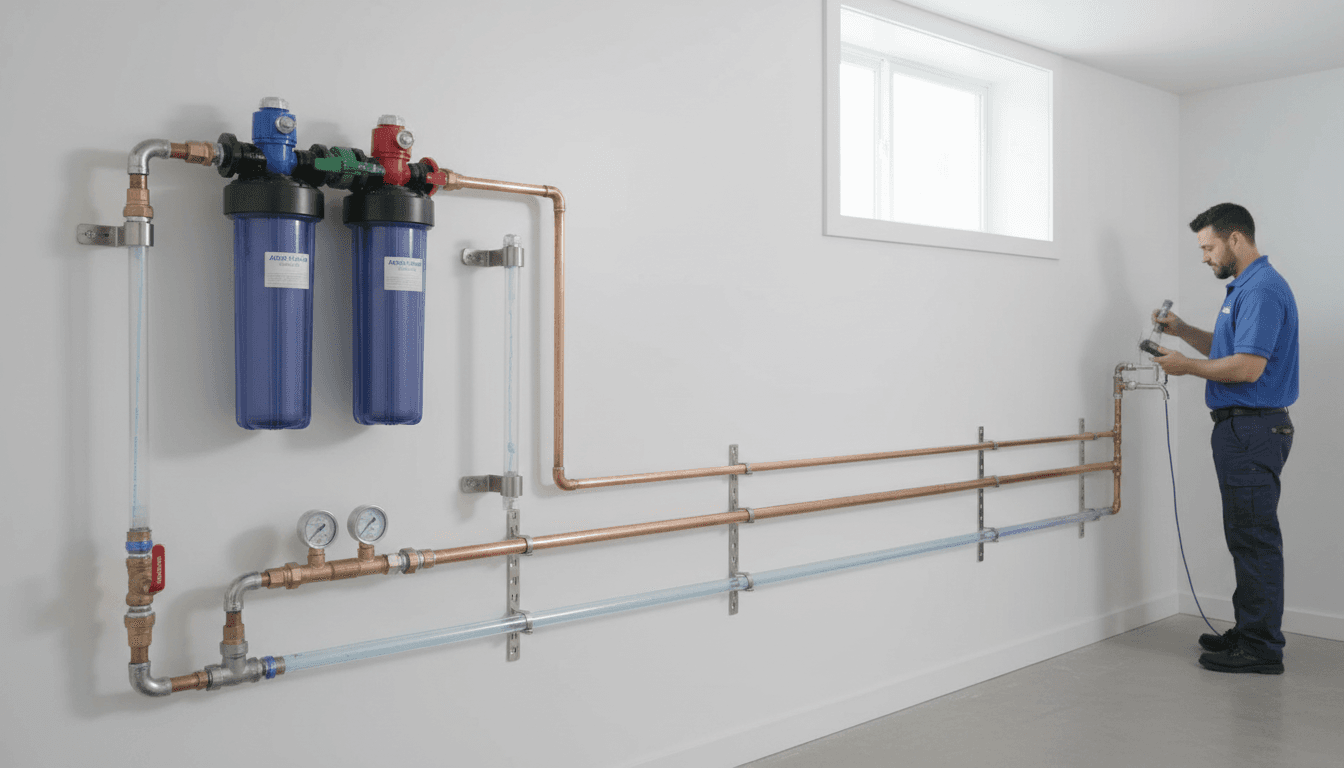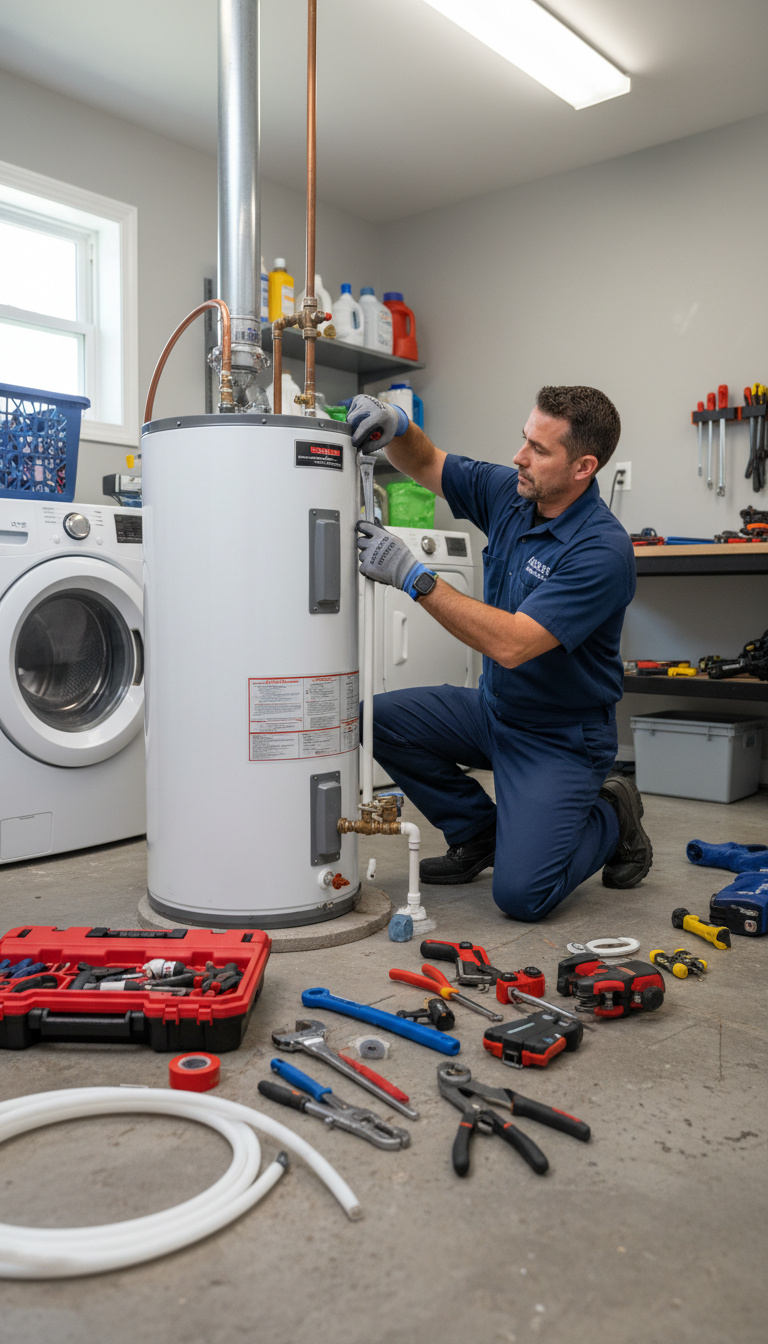
Performing routine water heater maintenance Utah hard water involves flushing the tank every six months to clear out mineral sediment that reduces efficiency. Homeowners should also check the anode rod once a year to prevent corrosion; this practice significantly extends the system's lifespan. Consistent maintenance is the most effective way to combat the high mineral levels found in Central Utah water.
If you have noticed a strange popping sound coming from your basement or found that your morning shower is turning cold faster than usual, you are likely dealing with the realities of Central Utah hard water. Our local supply is rich in minerals that, while safe to drink, act as a silent adversary to your plumbing system. Over time, these minerals settle at the bottom of your tank, creating a thick layer of sediment that forces your unit to work harder and wear out sooner. At Sanpete Plumbing, we believe that proactive care is the best way to protect your investment. In this guide, we will break down the specific symptoms of hard water damage, outline a realistic maintenance schedule for Sanpete County residents, and provide a step by step approach to flushing your system to ensure your home stays comfortable for years to come.
The Challenge of Central Utah Water: Why Maintenance is Non-Negotiable
Sanpete County and the broader Central Utah region are defined by a unique geological landscape, dominated by limestone and mineral rich mountain runoff. As snowmelt and rain filter through our local soil, the water absorbs high concentrations of calcium and magnesium. This process results in hard water, a term used to describe water with a high mineral count. In fact, Utah consistently ranks as one of the states with the hardest water in the nation, often exceeding 15 grains per gallon in many parts of the county.
Understanding the source of your water is critical for proper water heater maintenance Utah hard water protocols. While municipal water systems in towns like Manti or Ephraim undergo treatment, they rarely remove the dissolved minerals that cause scale buildup. Our agricultural clients and rural residents relying on private wells face an even greater challenge. Well water in Sanpete County frequently carries higher sediment loads, including fine sand and grit, which settle at the bottom of a water heater tank much faster than treated city water.
This accumulation of minerals and sediment acts as a thick layer of insulation between the heating element and the water. This forces the system to run longer and hotter to reach desired temperatures, leading to premature component failure and increased energy costs. Without regular intervention, the unique mineral profile of Central Utah can turn a standard appliance into a liability. If you are noticing a drop in efficiency or strange noises from your tank, it may be time to contact Sanpete Plumbing to evaluate your system's health.
Common Water Heater Sediment Buildup Symptoms
Identifying water heater sediment buildup symptoms early can prevent a sudden failure during a cold Sanpete County winter. The most common indicator is audible noise coming from the utility room. As minerals settle, they form a hard, crusty layer at the bottom of the tank. Steam bubbles become trapped beneath this mineral shelf and eventually burst through as the water heats, creating popping, rumbling, or "kettling" sounds that mimic a boiling pot on a stove.
Beyond noise, you may notice physical changes in your water quality. Sediment often manifests as cloudy or rust-colored water at the tap, or as fine grit clogging your sink aerators and showerheads. This mineral layer also acts as a powerful thermal insulator. Because heat must travel through a layer of calcified rock before reaching the water, the burner or heating elements must run significantly longer to maintain the thermostat setting. This inefficiency directly correlates to rising monthly energy bills and a noticeable drop in hot water recovery times.
More critically, this insulation causes "hot spots" where the tank metal overheats and weakens beyond its design limits. Over time, these localized points of stress lead to hairline fractures or total tank failure. If you observe these warning signs, seeking comprehensive installation and repair services is essential to determine if the unit can be salvaged or if the integrity of the tank is already compromised.
How Often to Flush Water Heater Utah: A Realistic Schedule
While national guidelines often suggest a yearly service call, the question of how often to flush a water heater in Utah requires a more aggressive answer. Given the extreme hardness of our local supply, Sanpete Plumbing recommends a flush every twelve months for municipal users, but a six month interval for those on private wells or in high agricultural zones.
Adopting a planned approach to your water heater maintenance Utah hard water strategy helps you stay ahead of the mineral accumulation before it calcified. In Central Utah, seasonal variables heavily influence this schedule. During heavy irrigation seasons, the increased flow in rural lines often stirs up dormant sediment, which can then migrate into your home plumbing system. Similarly, local road construction or water main repairs in towns like Mt. Pleasant can introduce grit that settles quickly in your tank.
We suggest timing your maintenance to coincide with the end of the high water usage months in the fall and again in the spring. This frequency is especially vital for our agricultural clients who rely on comprehensive installation and repair services to keep their systems running during peak demand. If you have neglected your tank for several years, contact Sanpete Plumbing before attempting a flush, as heavy buildup can sometimes prevent the drain valve from closing properly after the service.
The Role of the Anode Rod in Hard Water Environments
The anode rod is arguably the most critical component for preventing tank failure, often referred to as the sacrificial lamb of your plumbing system. This long, metal probe, usually made of magnesium or aluminum, hangs inside your tank with one specific purpose: to corrode so your tank does not have to. Through a process called electrolysis, the rod attracts the aggressive ions found in water that would otherwise attack the steel lining of the water heater.
In Central Utah, the high mineral content significantly accelerates this depletion. While an anode rod might last five years in areas with soft water, the intense water heater maintenance Utah hard water requires often involves checking this rod every two to three years. For our clients on rural wells, specific minerals can create a unique nuisance: a persistent rotten egg smell. This occurs when sulfur reducing bacteria react with a standard magnesium anode rod to produce hydrogen sulfide gas.
If your hot water has developed this odor, Sanpete Plumbing can swap the factory magnesium rod for an aluminum zinc alloy alternative. This change usually neutralizes the chemical reaction while still providing the necessary cathodic protection for the tank. Neglecting the anode rod is the fastest way to a premature leak; once the rod is fully dissolved, the corrosive elements begin eating the tank's iron shell immediately. Monitoring this component is a staple of our comprehensive installation and repair services, ensuring the longevity of your system in our harsh mineral environment.
Tankless Water Heater Maintenance with Hard Water
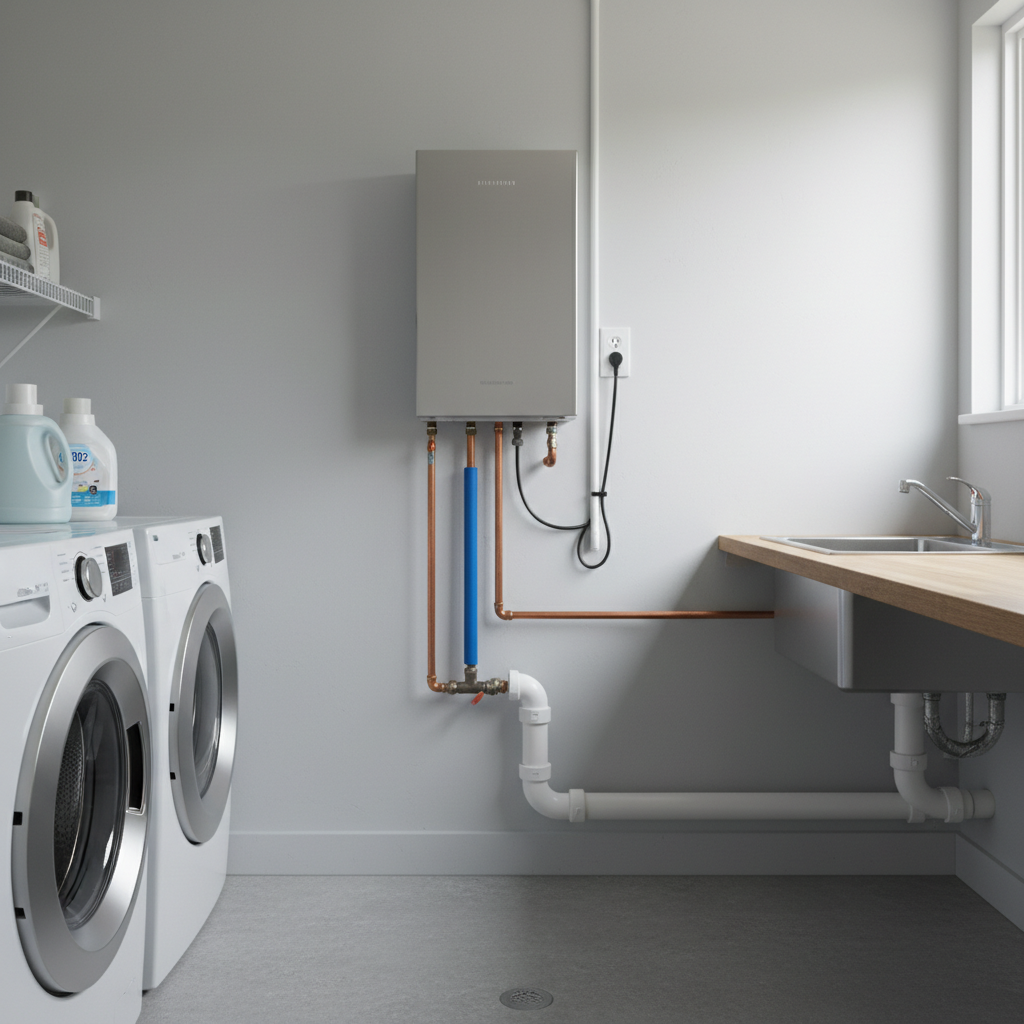
Choosing a tankless water heater with hard water in Central Utah does not eliminate the need for water heater maintenance Utah hard water protocols; rather, it shifts the focus. While these units lack a storage tank where heavy sediment can settle, the internal heat exchanger is exceptionally sensitive to mineral scale. The intense heat required for on-demand performance causes calcium and magnesium to solidify rapidly within the narrow passages of the exchanger. If left untreated, this scale acts as a thermal insulator, forcing the unit to work harder and eventually causing the system to overheat or shut down entirely.
To protect your investment, Sanpete Plumbing recommends professional descaling every 12 months. This frequency is particularly crucial in our region, as many manufacturers will void the warranty if they determine a heat exchanger failure was caused by unaddressed scale buildup. Regular flushing with a specialized descaling solution ensures the unit maintains its efficiency and reaches its projected 20-year lifespan. Our team provides these comprehensive installation and repair services to keep your high-efficiency system operating at peak performance despite our local water conditions.
Step by Step Guide to Flushing Your Water Heater
To execute effective diy water heater maintenance, start by prioritizing safety. If you have an electric unit, turn off the circuit breaker. For gas models, turn the control knob to "Pilot" or "Off." Shut the cold water intake valve located at the top of the tank. Before proceeding, let the water sit for at least two hours to cool; draining boiling water can melt thin drainage pipes or cause severe burns.
Follow these steps to clear the tank: 1. Attach a standard garden hose to the drain valve at the base of the tank and run the other end to a floor drain or a safe spot outside. 2. Open a hot water faucet in a nearby sink to prevent a vacuum from forming, which allows the tank to drain faster. 3. Open the drain valve slowly. Expect the initial flow to be dark or gritty. 4. Once the tank appears empty, perform a "pulse flush" by turning the cold water supply on for thirty seconds and then off again.
This pulsing action is vital in Central Utah because it creates necessary turbulence to dislodge the heavy, calcified sediment common in our region. Repeat this until the water running through the hose is perfectly clear of grit and mineral flakes.
Before you begin, evaluate the age of your equipment. If your heater is more than five years old and has never been serviced, the drain valve may be brittle or obstructed by heavy scale. In these cases, it is common for the valve to leak or fail to reseal once opened. If you are unsure of the tank's history, contact Sanpete Plumbing to handle the initial service. Our team provides comprehensive installation and repair services to ensure your valves and seals remain intact throughout the maintenance process.
Hard Water Water Heater Lifespan: What to Expect in Sanpete County
Understanding the mechanics of a flush is the first step toward combating the aggressive mineral profile of Central Utah. While national manufacturers often quote an average lifespan of 8 to 12 years, the reality in Sanpete County is far less forgiving for neglected systems. A tank subjected to local hard water without intervention frequently suffers terminal failure in just 6 to 8 years. The thick mineral crust acts as an insulator, causing the steel bottom to overheat and eventually crack under the thermal stress.
Sanpete Plumbing bridges this gap through preventative maintenance programs specifically designed for our local geology. For residential properties, this means ensuring your investment lasts its full intended term. For our agricultural clients, these comprehensive installation and repair services are vital; high-volume livestock watering systems and barn equipment cannot afford the sudden downtime caused by scale-related failures. By staying ahead of mineral buildup, we help homeowners and farmers avoid the significant expense of premature replacement. If you are unsure where your unit stands in its lifecycle, contact Sanpete Plumbing for a professional assessment of your tank’s integrity.
When to Call a Professional for Water Heater Service
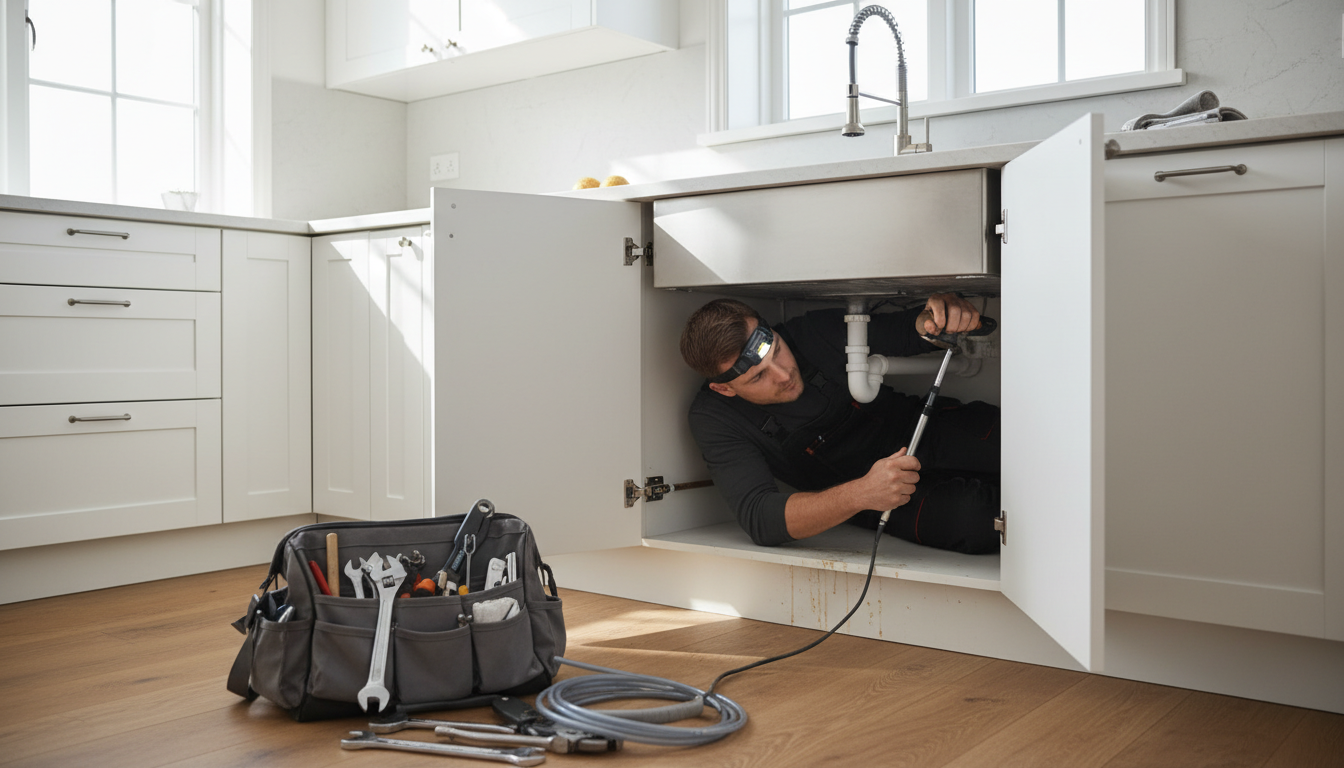
Knowing when to handle water heater maintenance Utah hard water tasks yourself and when to call for help can save your home or farm from a major flood. While many homeowners manage a simple flush, you should contact Sanpete Plumbing immediately if you notice water pooling at the base of the tank or moisture near the combustion chamber. These symptoms usually indicate an internal tank breach that a flush cannot resolve.
If your system continues to produce loud knocking or rumbling sounds even after a cleaning, the mineral buildup has likely reached a point of irreversible crystallization on the heating elements. Commercial properties and local agricultural operations with high volume systems should always rely on comprehensive installation and repair services because of the complexity of multi-unit setups and specialized watering controls. For sudden failures, our team provides a rapid emergency response for burst pipes and backups across Sanpete County, ensuring your water supply is restored without delay.
Maintaining your water heater in Central Utah requires a proactive approach to manage the inevitable buildup of hard water minerals. Regular flushing and inspections are the best ways to ensure your system runs efficiently for years to come. While these steps are manageable for some homeowners, we understand that handling complex plumbing tasks can be a challenge. If you want expert help keeping your unit in top shape, you can learn more about our team and our commitment to local service. We are always ready to provide a professional hand.