Tankless water heaters offer endless hot water and improved energy efficiency, yet they require consistent maintenance to manage mineral buildup from hard well water. Evaluating the tankless water heater pros and cons shows that while the initial investment is higher, these units provide significant space savings and can last twice as long as traditional tanks when properly serviced.
There is nothing more frustrating than a sudden blast of cold water during a Utah winter morning, especially when you are paying to heat a massive tank all day. For homeowners in Sanpete County, choosing a water heater involves more than just picking a brand; it requires understanding how our local hard well water impacts long term performance. While the promise of endless hot water is tempting, the high mineral content in Central Utah can create unique challenges for on demand technology. In this guide, we will provide a practical look at the pros and cons of tankless systems. You will learn about energy efficiency, the reality of scale buildup, and the essential maintenance steps required to keep your system running. We want to help you decide if a tankless upgrade is truly the right investment for your home or agricultural property.
Understanding Tankless Systems in the Context of Sanpete County Plumbing
Sanpete County homeowners are increasingly looking to modernize their utility rooms by switching to on demand systems. This shift is driven by a desire for efficiency and the convenience of a compact footprint. However, when evaluating tankless water heater pros and cons, our local environment in Central Utah plays a decisive role. Unlike the soft water found in many metropolitan areas, our regional supply often comes from wells with high mineral concentrations. This specific water chemistry dictates how these systems perform and, more importantly, how long they will actually last before requiring a service call.
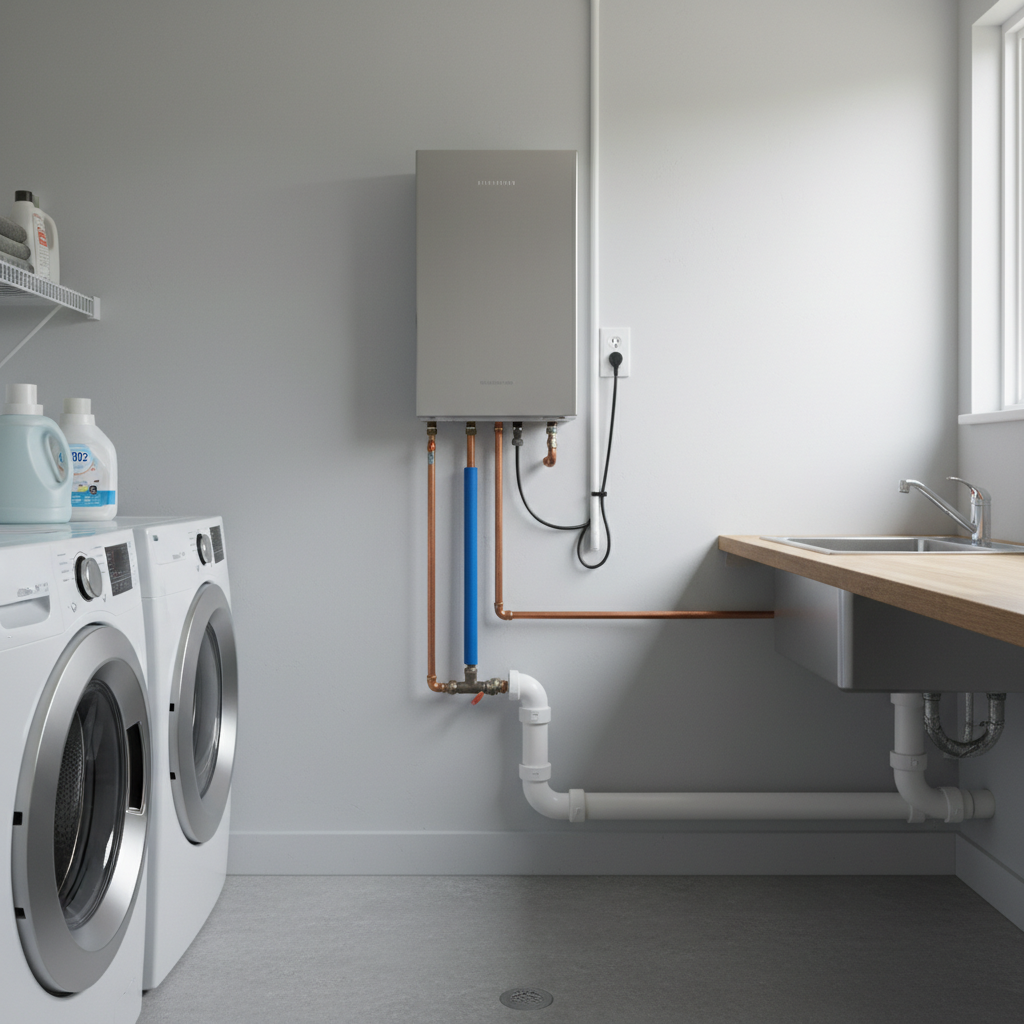
There are three primary configurations for these units: natural gas, propane, and electric. For many of our clients in rural areas or older residential pockets in Manti and Fairview, gas or propane models are typically the most viable choice. Electric units require a massive, instantaneous electrical load that often exceeds the capacity of an older 100 or 200 amp service panel. Upgrading a home's electrical infrastructure just to support an electric heater can quickly inflate the cost of plumbing installation and repair services.
Furthermore, hard water plumbing problems are a primary concern for any high performance heat exchanger. In Sanpete County, the calcium and magnesium found in local aquifers behave differently when subjected to the flash heating process of a tankless unit compared to the slower heating of a traditional storage tank. Understanding this local variable is the first step in deciding if on demand heating is right for your property.
The Primary Tankless Water Heater Pros and Cons
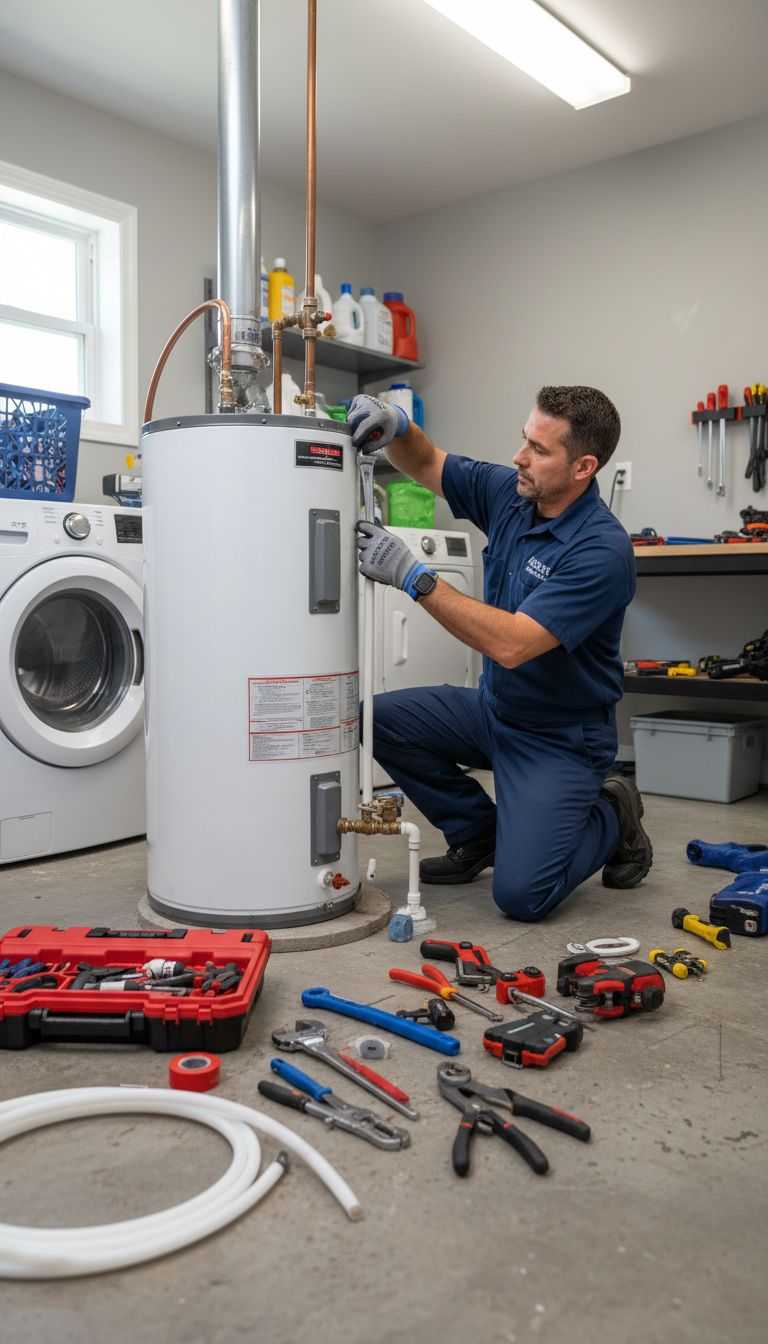
Evaluating tankless water heater pros and cons requires looking beyond the manufacturer brochures and considering the specific climate of Central Utah. These systems offer several distinct advantages over traditional storage tanks, primarily regarding longevity and continuous supply. A standard water heater usually reaches the end of its reliable service life around the ten year mark, whereas a high quality tankless unit can last 20 years or more with proper care. Because these units only heat water when a tap is opened, they eliminate the standby energy loss associated with keeping 50 gallons of water hot all day. For many households, this translates to an energy efficiency increase of up to 34 percent.
However, the performance of an on demand system is heavily dictated by the "temperature rise" required. In Sanpete County, our winter groundwater temperatures are significantly lower than those in southern climates. While a unit might be rated for a high flow rate in a warmer state, a local system must work much harder to bridge the gap between near freezing incoming water and a comfortable 120 degree output. This 70 to 80 degree temperature rise naturally limits the total gallons per minute (GPM) the unit can produce. If you plan to run multiple high flow fixtures simultaneously, such as a master shower and a washing machine during a January cold snap, you may experience a noticeable drop in water temperature or flow.
Feature | Traditional Storage Tank | Tankless On Demand System |
|---|---|---|
Average Lifespan | 8 to 12 Years | 20+ Years |
Energy Efficiency | Lower (Standby Loss) | Up to 34% Higher |
Hot Water Supply | Limited by Tank Size | Endless (within GPM limits) |
Installation Cost | Lower | Higher (Venting/Gas Upgrades) |
Space Required | Large Footprint | Compact, Wall-Mounted |
There are also minor operational quirks to consider, such as the "cold water sandwich" effect. This occurs when a user turns the hot water off and then immediately back on. A small pocket of unheated water that was sitting in the pipes reaches the fixture between two pulses of hot water. Furthermore, the initial plumbing installation and repair services for a retrofit can be more intensive, often requiring larger gas lines or specialized concentric venting to handle the high BTU output of the burner. For homes already dealing with hard water plumbing problems, these technical factors become even more critical to the system's long term viability.
How Hard Well Water Affects Tankless Performance
The primary challenge for on demand systems in Central Utah lies in the specific way local minerals interact with high intensity heat. In a traditional water heater, calcium and magnesium minerals tend to settle at the bottom of the tank as loose sediment. While this can eventually reduce the tank's capacity, it rarely causes immediate mechanical failure. Tankless units operate on a different principle, using a compact heat exchanger with very narrow copper or stainless steel passages. As cold well water passes through these small tubes, it is rapidly heated to 120 degrees or higher. This flash heating causes hard water minerals to solidify and bake onto the internal surfaces almost instantly.
This calcification creates a layer of insulation between the burner and the water, forcing the unit to run longer and hotter to reach the desired temperature. Over time, these hard water plumbing problems lead to restricted flow and overheating. For residents in Sanpete County using untreated well water, the results are predictable. We frequently encounter high end units in Manti or Gunnison that trigger a System Error code and shut down entirely within just 18 to 24 months of installation. The unit's internal sensors detect the lack of flow or the excessive heat at the exchanger and lock the system to prevent a total meltdown.
Mineral Impact | Traditional Tank | Tankless System |
|---|---|---|
Sediment Location | Bottom of the tank | Internal heat exchanger walls |
Heating Efficiency | Gradually decreases over years | Can drop sharply in 12 to 18 months |
Failure Mode | Leaking or loss of capacity | Clogging and sensor-driven shutdowns |
Maintenance Urgency | Moderate (annual drain) | Critical (regular descaling) |
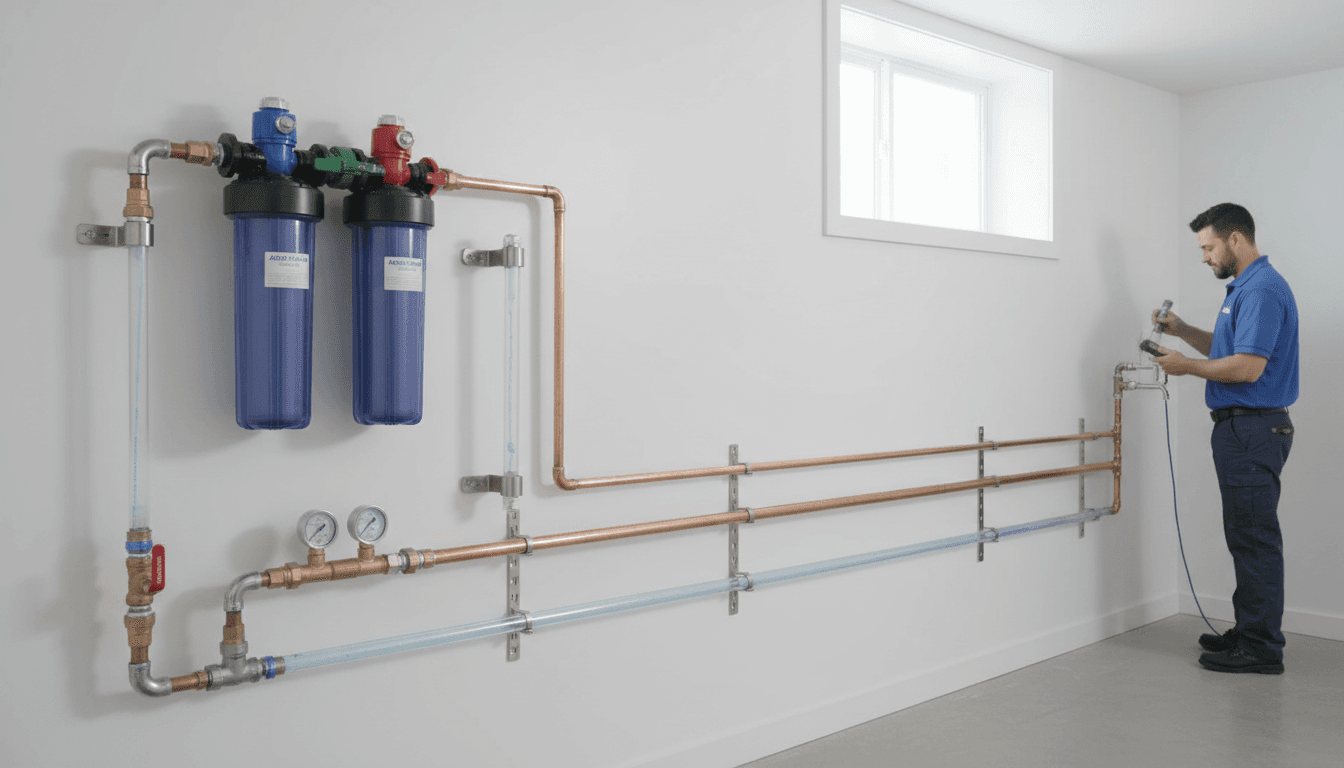
Without a dedicated water softening system, a tankless unit essentially acts as a mineral magnet. The narrow clearances within the heat exchanger are not designed to accommodate the heavy scale buildup common in our region. When evaluating the tankless water heater pros and cons for a rural property, you must view the water softener and the heater as a single, inseparable system. Installing one without the other in our local environment significantly compromises the lifespan and reliability of the equipment.
Is a Tankless Water Heater Worth It for Your Utah Home?
Determining if a tankless system is worth the investment requires looking past the monthly utility bill. In Sanpete County, a standard plumbing installation and repair services quote for a traditional 50 gallon gas water heater typically ranges from $1,500 to $2,500. In contrast, a tankless installation often falls between $3,500 and $5,500. This higher price point covers the unit itself and necessary infrastructure upgrades, such as specialized stainless steel or PVC concentric venting and larger gas lines. Because tankless units require a high BTU input to heat water instantly, your existing half inch gas line often must be upgraded to a three quarter inch or one inch line to ensure the burner operates safely.
For a large family in Ephraim or Manti, the value proposition shifts from financial ROI to lifestyle quality. When weighing the tankless water heater pros and cons, the primary benefit for a busy household is the elimination of the hot water 'lottery.' If your family regularly runs out of hot water during morning routines, the ability to run two showers and a dishwasher simultaneously without a temperature drop justifies the cost through comfort alone.
Factor | Standard Tank Installation | Tankless Retrofit |
|---|---|---|
Upfront Cost | $1,500 – $2,500 | $3,500 – $5,500+ |
Gas Line Requirement | Standard 1/2" line | Often requires 3/4" or 1" |
Venting Needs | Existing chimney or B-vent | Specialized high-heat or PVC |
Best For | Budget-conscious or low use | High-demand households |
Conversely, for a single occupant in Sterling or a seasonal hunting cabin near Fairview, the math rarely favors going tankless. If hot water demand is low, a high efficiency storage tank provides a much faster return on investment. In these cases, the thousands of dollars saved on installation can pay for a decade of energy bills.
Essential Maintenance for On Demand Systems
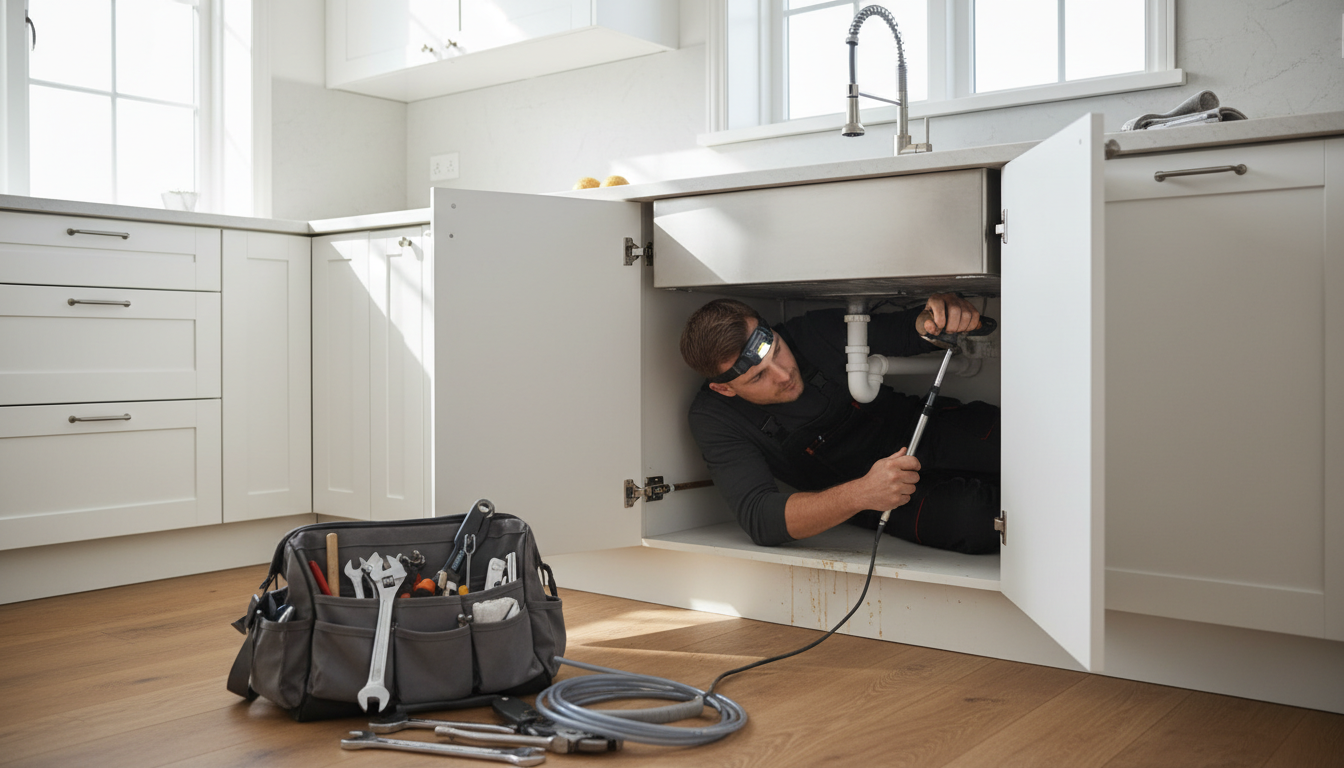
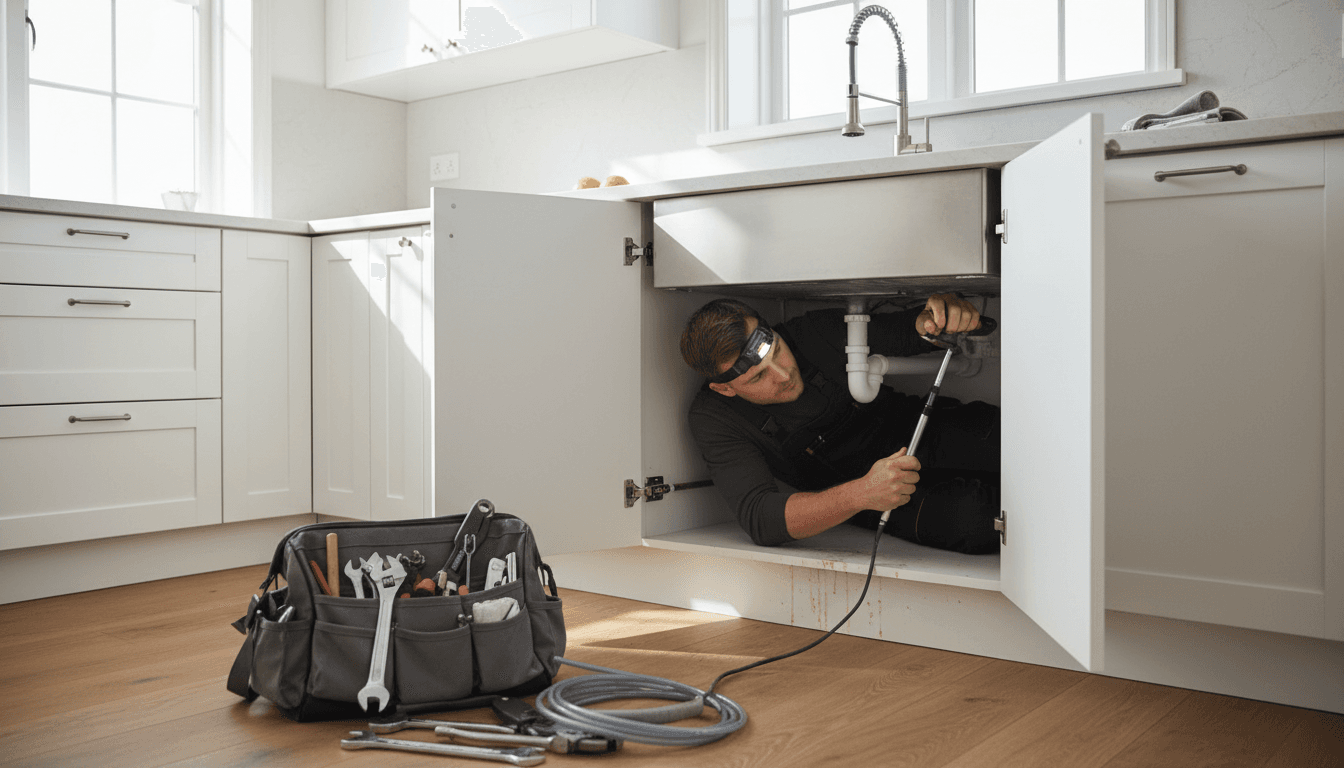
Owning an on demand system in Central Utah requires a shift in maintenance habits. While a standard tank might go a decade with minimal attention, a tankless unit demands a dedicated service schedule to combat our local mineral content. For homes in Mount Pleasant or Spring City operating without a water softener, a full system flush is mandatory every 6 to 12 months. This process involves isolating the unit from the home’s plumbing using service valves and circulating a descaling solution, typically food-grade white vinegar or a commercial citric acid cleaner, through the heat exchanger for approximately 60 minutes.
To perform this, we use a submersible pump and a set of hoses connected to the unit's cold and hot service ports. This circulation breaks down the calcium and magnesium stone that has baked onto the copper passages. Skipping this procedure is one of the most significant factors when weighing tankless water heater pros and cons, as it directly impacts your financial protection. Most manufacturers specifically exclude scale-related failures from their warranty coverage. If a heat exchanger fails because of mineral buildup in a home with hard water plumbing problems, the manufacturer will often categorize the damage as owner neglect. Regular maintenance ensures the unit maintains its 20 year lifespan and remains eligible for plumbing installation and repair services under warranty terms.
Special Considerations for Agricultural and Commercial Clients
Agricultural operations in Sanpete County have unique demands that standard residential units simply cannot meet. For dairy operations in Moroni or livestock wash stations near Gunnison, the need for hot water is often high volume but intermittent. Sanitizing equipment or washing down animals requires a consistent flow that would deplete a standard storage tank in minutes. In these settings, the tankless water heater pros and cons shift heavily toward the use of dedicated commercial grade units. These models feature heavy duty heat exchangers built with thicker piping, designed to handle both higher flow rates and the aggressive mineral scaling common in high production agricultural wells.
We frequently see hard water plumbing problems exacerbated in commercial settings because the sheer volume of water processed accelerates mineral deposition. A residential unit installed in a barn or processing facility will often fail prematurely under these stresses. Precision sizing is critical; we must calculate the peak gallons per minute required for simultaneous wash stations during the coldest months. If a facility also struggles with well water low pressure, the system may require a specialized booster pump to ensure the tankless unit's flow sensor activates reliably. Specialized plumbing installation and repair services ensure these high capacity systems include the necessary heavy duty filtration to protect the machinery from the heavy mineral sediment found in our local aquifers.
Making the Choice: Tank versus Tankless for Central Utah
Finalizing your decision requires weighing the tankless water heater pros and cons against your specific property needs. We recommend an on demand system if you have limited utility space, desire a two decade lifespan, and already utilize a high quality water softener. This setup protects the heat exchanger while providing endless hot water.
Conversely, a traditional tank is often the smarter move for residents on a strict budget or properties dealing with hard water plumbing problems without filtration. A tank also provides a buffer for sites facing well water low pressure. Our plumbing installation and repair services team at Sanpete Plumbing can evaluate your water quality to ensure a dependable fit for your home or farm.
Deciding on a tankless water heater in Central Utah requires balancing long term efficiency with the realities of our local hard water. While the benefits are clear, proper filtration and maintenance remain essential for success. If you want expert help navigating these options or need a professional assessment of your home's plumbing, you can learn more about our team and values to see how we serve the community. We are here to ensure your water system remains reliable for years to come.